Steeped in Opportunity: The Quiet Rise of Tea as a Smart Investment Play
Have you ever thought your morning cup could be more than just a ritual? I didn’t either—until I stumbled into the world of tea investing. What started as curiosity turned into a deep dive into an overlooked market where tradition meets value. Unlike volatile stocks or crowded real estate, premium tea offers a unique blend of cultural depth and long-term appreciation. It’s not a get-rich-quick scheme, but for those who understand patience and provenance, the returns can be surprisingly strong. While most investors focus on digital assets or real estate, a quieter, more refined opportunity has been steeping in the background—aged and rare teas. These are not supermarket blends, but meticulously crafted leaves from ancient trees, harvested at precise moments, and stored with care over decades. For thoughtful individuals seeking stability, authenticity, and long-term growth, tea is emerging as a compelling alternative asset.
The Hidden Market in Your Teacup
Most people view tea as a daily comfort, a warm ritual to start the morning or unwind after a long day. Yet beneath this familiar surface lies a growing financial reality: tea, particularly certain rare and aged varieties, has evolved into a legitimate alternative investment. Unlike conventional assets such as stocks or bonds, which fluctuate with market sentiment and economic cycles, high-quality tea—especially from regions like Yunnan, Fujian, or Zhejiang—has demonstrated consistent long-term appreciation. This is not speculative hype but a market grounded in scarcity, craftsmanship, and cultural significance. The finest teas are not mass-produced; they are hand-picked, often from centuries-old tea trees, and processed using traditional methods passed down through generations. Each batch is limited, sometimes to just a few kilograms, making true premium tea inherently rare.
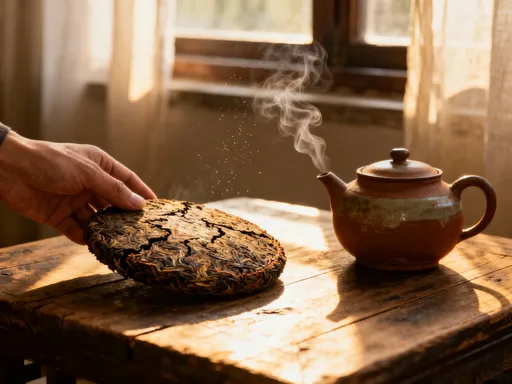
The parallels with fine wine or vintage art are clear. Just as a 1982 Bordeaux can appreciate over decades, so too can a properly aged Pu-erh tea cake increase in value over time. Collectors and investors alike are beginning to recognize that tea, when sourced and stored correctly, can serve as a store of value. Unlike digital currencies or speculative stocks, tea is a tangible asset with intrinsic cultural and sensory worth. It cannot be hacked, frozen, or erased. It exists in the physical world, wrapped in paper, stored in breathable containers, slowly transforming with age. This tangibility offers a sense of security that many modern financial instruments lack. Moreover, the market remains relatively insulated from global economic shocks, as demand is driven more by connoisseurship than speculation.
What sets tea apart from other collectibles is its dual nature: it can be both consumed and preserved. A collector may choose to age a tea for decades, allowing its flavor and value to deepen, or they may decide to open and enjoy it, experiencing its sensory rewards. This balance between utility and investment potential is rare in the financial world. For many, the appeal lies not just in financial gain but in the connection to tradition, terroir, and craftsmanship. The shift from tea as a beverage to tea as an asset reflects a broader trend toward mindful investing—where value is measured not only in monetary terms but in cultural continuity and personal fulfillment.
Why Tea? Understanding the Value Chain
To understand why certain teas appreciate in value, one must look beyond the cup and into the entire lifecycle of the leaf. The foundation of tea’s worth lies in four key factors: terroir, processing, harvest timing, and storage. Terroir—the combination of soil, climate, altitude, and micro-environment—plays a decisive role. Just as grapes grown in specific regions produce distinctive wines, tea plants rooted in mineral-rich soils at high elevations yield leaves with unique flavor profiles and complexity. For example, ancient tea trees in Yunnan’s remote mountains are prized not only for their age but for their deep root systems, which absorb a broader spectrum of nutrients, resulting in a more robust and nuanced tea.
Processing methods further define value. A single tea plant can yield vastly different products depending on how it is handled after harvest. Oxidation levels, fermentation techniques, drying methods, and pressing styles all influence the final character and longevity of the tea. Raw Pu-erh (sheng cha), for instance, undergoes minimal processing and is designed to age over time, much like a fine wine. In contrast, ripe Pu-erh (shou cha) is artificially fermented and ready to drink sooner, but it lacks the long-term aging potential of its raw counterpart. Handcrafted teas, made in small batches with meticulous attention, command higher prices than machine-processed varieties because of their consistency, depth, and authenticity.
Harvest timing is another critical factor. Early spring harvests, when the first tender buds emerge after winter dormancy, are considered the most valuable. These young leaves contain higher concentrations of amino acids and lower levels of tannins, resulting in a smoother, more aromatic infusion. Teas harvested during this narrow window are often reserved for collectors and connoisseurs. Finally, storage conditions determine whether a tea preserves or degrades in value. Proper aging requires stable temperature, controlled humidity, and protection from strong odors. A tea stored in a damp basement or near spices may lose its character and marketability. Thus, the journey from bush to collection is a delicate one, where every step influences the final worth.
Spotting the Real from the Hype
As interest in tea investing grows, so too does the risk of misinformation and fraud. The market is not regulated like stocks or bonds, and there are no universal grading systems or centralized exchanges. This lack of standardization creates opportunities for counterfeit products, misleading labeling, and inflated claims. Some sellers may label ordinary tea as “ancient tree” or “single estate” without verification, while others may artificially age tea to mimic the appearance of decades-old cakes. These practices can mislead even experienced buyers, turning what should be a long-term investment into a financial loss.
To navigate this landscape, buyers must prioritize authenticity and provenance. Reputable producers often provide batch records, harvest dates, and detailed origin information. Some even offer certificates of authenticity or QR codes that link to production videos or farm profiles. While not foolproof, these tools add transparency and accountability. Sensory evaluation is another powerful method—experienced tasters can often detect inconsistencies in aroma, color, and mouthfeel that suggest poor quality or tampering. A genuine aged Pu-erh should have a deep, earthy aroma with hints of wood, mushroom, or dried fruit, not a musty or sour smell that indicates improper storage.
Equally important is avoiding the temptation of speculative bubbles. Just because a tea is rare or expensive does not mean it will appreciate. Some varieties gain popularity due to marketing campaigns or short-term trends, only to lose value when the hype fades. Sustainable appreciation comes from intrinsic qualities—age-worthiness, craftsmanship, and cultural significance—not from social media buzz. Buyers should approach the market with caution, focusing on teas with a proven track record of aging well and strong demand among serious collectors. Patience and research are far more valuable than impulse purchases driven by fear of missing out.
How to Start: Building a Tea Portfolio
Entering the world of tea investing does not require large capital or specialized knowledge. Like any sound financial strategy, it begins with small, informed steps. The first principle is to prioritize quality over quantity. A single well-chosen tea cake from a reputable source can outperform a dozen cheaper, mass-market alternatives. Beginners should focus on well-documented varieties known for their aging potential, such as raw Pu-erh from Yunnan or high-grade Tieguanyin from Fujian. These teas have a long history of appreciation and are widely recognized by collectors, making them easier to value and resell.
When sourcing tea, it is essential to work with trusted suppliers—ideally those with direct relationships to tea farms or cooperatives. Independent vendors who travel to origin regions, document their sourcing, and maintain transparency are more likely to offer authentic products. Online marketplaces can be useful, but buyers should look for sellers with detailed product descriptions, clear origin information, and positive long-term reputations. Joining tea communities or forums can also provide valuable insights and recommendations from experienced collectors.
Once acquired, proper storage is critical to preserving and enhancing value. Tea should be kept in a cool, dry place with good air circulation. Humidity levels should remain between 50% and 70%, and temperatures should avoid extreme fluctuations. Strong odors—from spices, cleaning products, or tobacco—can be absorbed by tea leaves, altering their flavor and reducing their worth. Many collectors use breathable storage solutions such as bamboo cabinets, paper boxes, or clay jars, which allow gradual aging without moisture buildup. Regular monitoring—checking for mold, off-odors, or changes in appearance—ensures that the investment remains in optimal condition.
Risk Control: The Forgotten Side of Tea Investing
While the potential rewards of tea investing are real, so are the risks—and they are often underestimated. The most significant challenge is liquidity. Unlike stocks or bonds, which can be sold instantly on public exchanges, tea requires finding a willing buyer, often through private networks or specialty auctions. This can take time, especially for niche or high-value items. There is no guarantee that a tea will sell at a desired price, or even at all, particularly if market conditions shift or interest wanes.
Market opacity is another concern. Without standardized pricing or transparent transaction records, valuing tea can be subjective. Two experts may assign vastly different prices to the same cake based on personal experience or regional preferences. This lack of clarity makes it difficult for newcomers to assess fair market value. Additionally, the market relies heavily on expert networks and personal relationships. Those without access to knowledgeable collectors or trusted dealers may struggle to authenticate or sell their holdings.
To mitigate these risks, investors should adopt a diversified approach. Rather than putting all resources into a single type or region, they can spread investments across different tea varieties—raw Pu-erh, aged oolong, white teas like Silver Needle—that have distinct aging profiles and market demands. Maintaining relationships with reputable dealers and participating in tea tastings or exhibitions can also provide valuable market intelligence and resale opportunities. Most importantly, investors must resist the urge to treat tea as a short-term speculation. This is not a market for quick flips but for long-term stewardship. Due diligence, patience, and continuous learning are the true safeguards against loss.
The Long Game: Patience, Knowledge, and Gains
One of the most compelling aspects of tea investing is the way value compounds over time—not just financially, but experientially. A tea that sits undisturbed for twenty years may double or triple in monetary worth, but it also accumulates stories, memories, and sensory depth. Collectors who have held onto carefully stored teas for decades often speak not just of profit, but of transformation—the way a once-bitter raw Pu-erh mellows into a smooth, complex brew with notes of honey, wood, and stone fruit. This evolution is not guaranteed, but when guided by proper storage and deep understanding, it becomes a predictable and rewarding outcome.
Success in this market rarely comes from luck. It comes from education—attending tastings, reading about regional differences, learning to distinguish between a well-aged tea and one that has merely been stored poorly. Over time, investors develop a refined palate and a sharper eye for quality. They begin to recognize the subtle signs of authenticity: the texture of the wrapper, the aroma of the dry leaf, the color of the liquor. This knowledge becomes an asset in itself, enabling better decisions and deeper appreciation. Some collectors even maintain detailed logs, noting harvest years, storage conditions, and tasting notes, creating a personal archive that enhances both value and meaning.
The financial gains, when they come, are often secondary to the personal enrichment. There is a quiet satisfaction in knowing that one’s collection includes teas from ancient trees that predate modern industrialization, or from villages where traditional methods have remained unchanged for centuries. This connection to history and craftsmanship adds a dimension of fulfillment that few other investments can match. For those willing to embrace the long view, tea offers not just returns, but a legacy built one leaf at a time.
Beyond Profit: A Legacy in Every Leaf
At its core, tea investing is not merely about financial gain—it is about preservation, continuity, and mindful stewardship. Each tea cake, each hand-rolled oolong ball, carries within it the labor of farmers, the wisdom of generations, and the essence of a specific place and time. To invest in tea is to become a guardian of this living tradition, ensuring that rare cultivars, ancestral knowledge, and sustainable farming practices are not lost to mass production or environmental change. In a world increasingly dominated by digital transactions and impersonal assets, tea offers a return to the tangible, the human, the enduring.
Unlike cold, abstract investments, tea engages the senses. It invites ritual, reflection, and connection. A collector may never sell their finest tea, choosing instead to share it with family or pass it down as an heirloom. In this way, the investment transcends money—it becomes part of a personal narrative, a bridge between past and future. The true value of tea lies not only in its market price but in the meaning it holds: for culture, for health, for moments of quiet presence in a hurried world.
For those seeking a thoughtful, grounded approach to wealth building, tea presents a compelling alternative. It rewards patience, punishes haste, and honors knowledge. It does not promise overnight riches, but it offers something more lasting: stability, beauty, and a deep connection to the natural world. As more people look beyond conventional markets for sustainable, meaningful investments, tea stands quietly ready—steeped in opportunity, rich in potential, and waiting to be discovered by those who value both wisdom and worth.