Golden Light & Endless Shores: Chasing Goa’s Most Photogenic Moments
You know that feeling when a place just wows you? That’s Goa. Sun-kissed beaches, colorful colonial houses, and palm trees swaying in slow motion—every turn feels like a postcard. I went looking for adventure, but what I found was pure visual magic. Whether you're a casual phone snapper or a full-gear photographer, Goa’s landscapes don’t just invite clicks—they demand them. This is where moments turn into memories, one frame at a time. From the golden glow of dawn over quiet shores to the vibrant chaos of village markets, the state offers a visual feast that speaks to the soul. It’s not just the scenery; it’s the way light dances on water, how laughter echoes through narrow alleys, and how centuries of culture live in every stone and smile. For women who seek beauty, meaning, and a little quiet wonder in their travels, Goa delivers not just images, but emotional keepsakes.
Why Goa is a Photographer’s Dream
Goa stands apart as a destination where nature and heritage coexist in vivid harmony. Its visual identity is shaped by a rare blend of tropical coastlines, Portuguese colonial architecture, and a deeply rooted Indian culture that celebrates color, rhythm, and ritual. This convergence creates an endless stream of photographic opportunities. Unlike destinations that rely solely on natural grandeur or urban energy, Goa offers both—often within a single frame. A fisherman mending his net at sunrise on a quiet beach becomes a study in light and labor; a child running through a sunlit courtyard of a centuries-old home turns an ordinary moment into art. The region’s relaxed pace of life further enhances its appeal, allowing visitors to observe and capture authentic, unposed scenes without intrusion.
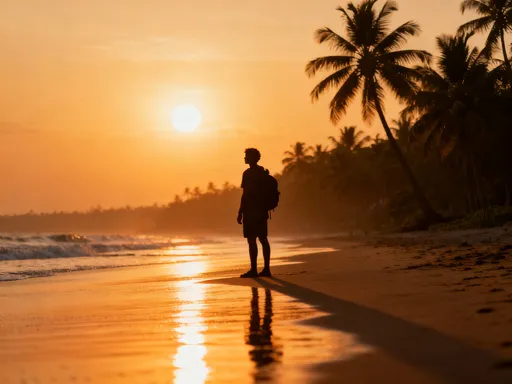
What truly sets Goa apart is its lighting. The golden hour here lasts longer and feels richer than in many tropical regions. During early morning and late afternoon, the sun casts a warm, diffused glow across the landscape, softening contrasts and enhancing textures. This quality of light is ideal for portrait photography, architectural details, and beachscapes alike. It wraps around the whitewashed churches, brings out the hues in pastel-painted walls, and turns the Arabian Sea into a shimmering mirror. Photographers often speak of 'chasing the light'—in Goa, the light seems to welcome you, lingering just long enough to get the perfect shot.
The cultural rhythm of Goa also contributes to its photogenic charm. Life unfolds outdoors—on porches, in courtyards, along market lanes, and beside village wells. This openness invites storytelling through the lens. A grandmother rolling dough in her kitchen, visible through an open window, becomes part of the streetscape. A group of men playing chess under a banyan tree offers a timeless composition. These moments are not staged; they are lived. For the mindful traveler, especially women who value connection and authenticity, capturing such scenes is less about technical perfection and more about honoring the quiet dignity of daily life. Goa rewards patience, presence, and respect—qualities that resonate deeply with those who travel not just to see, but to feel.
Best Beaches for Breathtaking Shots
Goa’s coastline is a photographer’s canvas, stretching over 100 kilometers with diverse moods and textures. Each beach offers a unique visual language, from lively social hubs to secluded retreats where time slows and nature takes center stage. Palolem Beach, nestled in South Goa, is perhaps one of the most photographed for its perfect crescent shape and vibrant atmosphere. Rows of colorful shacks painted in turquoise, coral, and sunflower yellow dot the shoreline, creating lively compositions against the soft beige sand and deep blue sea. Early morning here is especially rewarding—fishing boats returning with the catch, silhouetted against the rising sun, offer compelling foreground elements. As the day progresses, the beach fills with travelers lounging under umbrellas, children building sandcastles, and couples walking hand in hand—each moment a potential narrative.
Just a short drive from Palolem lies Agonda Beach, a quieter counterpart that exudes serenity. With fewer shacks and no motorized water sports, Agonda invites minimalist compositions. The long, unbroken stretch of sand, flanked by casuarina trees and rocky outcrops, is ideal for wide-angle shots that emphasize space and solitude. Sunrise at Agonda is a meditative experience—soft pinks and golds spreading across the sky, the first light catching the edge of the waves. Photographers can experiment with long exposures to blur the motion of the tide, creating dreamy, ethereal effects. The absence of crowds also allows for candid shots of local women collecting seashells or elderly couples walking at dusk, their silhouettes framed by the horizon.
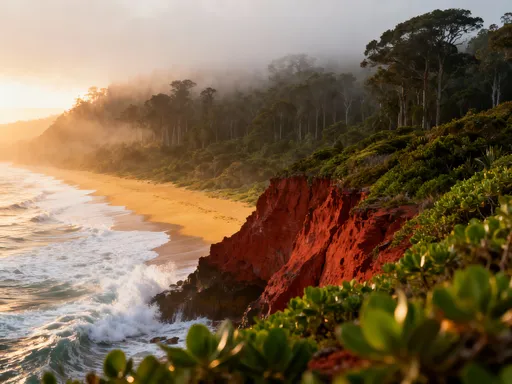
For dramatic contrasts and bold compositions, Vagator Beach in North Goa delivers. Carved into red laterite cliffs, this beach offers elevated vantage points that are perfect for panoramic shots. The rust-colored soil against the deep blue sea creates a striking color contrast, especially during sunset when the sky ignites in shades of orange and purple. The cliffs themselves, weathered and layered, add geological texture to images. Anjuna Fort, perched above the beach, provides a historical backdrop and a popular spot for silhouette photography. Timing is key here—arriving an hour before sunset ensures enough time to scout angles and set up equipment. As the sun dips below the horizon, the crowd often breaks into spontaneous applause, a fleeting moment of shared joy that can be captured with a fast shutter speed. These beaches, each distinct in character, demonstrate how Goa’s coastline offers not just variety, but emotional depth through its changing light and rhythms.
Hidden Gems Beyond the Coast
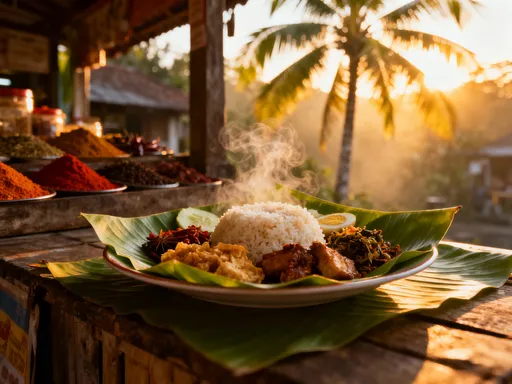
While Goa’s beaches draw the crowds, its inland landscapes hold some of the most rewarding photographic treasures. Away from the coast, the state reveals a lush, green interior where spice plantations, ancient temples, and rural villages offer a different kind of beauty—one rooted in tradition, ecology, and quiet resilience. Spice plantations, such as those near Ponda, are living museums of scent and color. Rows of cardamom, clove, cinnamon, and pepper vines wind through shaded groves, their leaves glistening with morning dew. Guided tours often include demonstrations of traditional farming techniques, providing opportunities to photograph hands sifting through turmeric or bundling fresh curry leaves. The dappled light filtering through the canopy creates natural spotlights, ideal for close-up shots with rich textures and warm tones.
Jungle trails lead to hidden waterfalls like Dudhsagar, a four-tiered cascade that plunges through a verdant ravine. Reaching the falls requires a moderate trek or a short train ride, but the effort is rewarded with breathtaking scenery. During the monsoon season, the waterfall swells into a powerful torrent, surrounded by mist and vibrant greenery. Photographers can use slow shutter speeds to capture the motion of the water, contrasting its fluidity with the stillness of moss-covered rocks. The surrounding forest teems with life—colorful birds, butterflies, and the occasional deer—offering wildlife photography opportunities without the need for a safari. Because access is regulated, the site remains relatively undisturbed, preserving its natural authenticity.
Rural villages scattered across the interior offer some of the most heartfelt cultural photographs. In places like Loutolim or Chandor, life moves at a gentle pace. Women in crisp cotton saris walk to the market with baskets balanced on their heads; farmers guide oxen through paddy fields; children play cricket in dusty lanes between laterite houses. These scenes are not performed for tourists—they are part of daily existence. Approaching them with humility and a smile often leads to genuine interactions. Asking permission before taking portraits is not just ethical—it often results in more meaningful images, as subjects feel seen and respected. These inland experiences remind photographers that Goa’s soul is not confined to its shores; it lives in the rustle of palm leaves, the scent of cardamom, and the quiet dignity of its people.
Architectural Beauty: From Churches to Colorful Houses
Goa’s architectural heritage is a visual testament to its layered history, where Indian craftsmanship meets Portuguese design in harmonious fusion. Nowhere is this more evident than in the UNESCO World Heritage-listed churches of Old Goa. The Basilica of Bom Jesus, home to the relics of St. Francis Xavier, is a masterpiece of Baroque architecture. Its pale yellow stone facade, intricate carvings, and grand arches create strong geometric lines ideal for architectural photography. Inside, the soft light filtering through stained glass casts a reverent glow on gilded altars and marble floors. Capturing the interior requires careful exposure settings to balance shadows and highlights, but the results are deeply atmospheric—images that convey both grandeur and spirituality.
Nearby, the Sé Cathedral stands as one of Asia’s largest churches, dedicated to St. Catherine. Its massive proportions and Tuscan-Doric columns offer a sense of scale that can be emphasized with wide-angle lenses. The contrast between the sunlit exterior and the cool, dim interior creates dramatic visual tension. Early morning visits ensure fewer crowds and softer light, allowing for clean, unobstructed shots of the bell tower and central nave. These churches are not just tourist sites—they remain active places of worship, so photographers must be mindful of silence and decorum, especially during services.
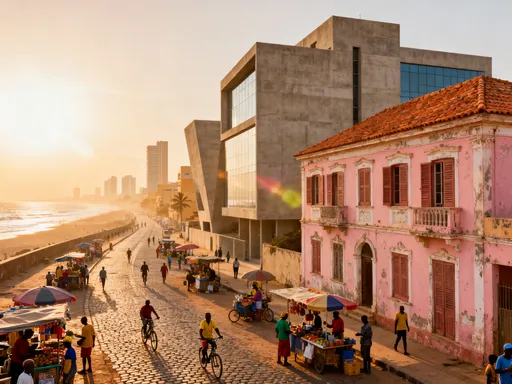
Equally compelling is the colonial charm of Fontainhas, Goa’s Latin Quarter in Panaji. This neighborhood feels like a slice of Lisbon transplanted to the tropics, with narrow cobblestone streets lined with pastel-colored houses. Shades of mint green, terracotta, and sky blue dominate, their wooden balconies overflowing with potted plants and flowering vines. The tiled roofs, often in deep red or ochre, add warmth to the palette. Every corner presents a new composition—the curve of a streetlamp, a cat sunning on a windowsill, a woman hanging laundry between buildings. Because the area is compact, it’s perfect for a leisurely photographic walk, allowing time to observe light shifts and interact with residents. Local art galleries and cafés add contemporary layers to the historic setting, creating opportunities for lifestyle photography. Fontainhas proves that architecture is not just about buildings—it’s about the life that unfolds within and around them.
Capturing Culture: Festivals, Markets, and Daily Life
Goa’s cultural calendar is a burst of color, sound, and movement—ideal conditions for dynamic photography. Festivals offer some of the most expressive moments, when tradition and joy come alive in public spaces. Diwali, the Festival of Lights, transforms villages and towns with rows of oil lamps, fireworks, and families gathered in celebration. Photographing Diwali is about capturing light in its many forms—flickering diyas in doorways, children holding sparklers, reflections in puddles after evening rain. The warm glow against dark skies creates natural backlighting, enhancing the emotional depth of images. Similarly, Carnival, held before Lent, brings parades, music, and dancers in elaborate costumes. The energy is infectious, and the visuals are bold—feathers, sequins, and painted faces moving in rhythm. Shooting during Carnival requires quick reflexes and an eye for composition amid motion, but the results are vibrant and unforgettable.
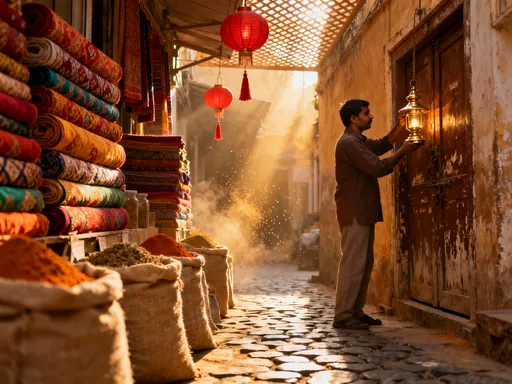
Daily life in Goa’s markets offers quieter but equally powerful storytelling opportunities. The Mapusa Market, open every Friday, is a sensory overload of spices, textiles, pottery, and fresh produce. Stalls overflow with turmeric, coriander, and red chili powder, their bright colors forming natural color blocks in photographs. Vendors sit patiently behind pyramids of cashews and coconuts, their faces lined with years of sun and smiles. Capturing these scenes requires empathy—waiting for the right moment, engaging in brief conversation, and asking permission when focusing on individuals. A well-composed market shot can tell a story of livelihood, tradition, and community. The same applies to fish markets in smaller towns, where the morning catch is laid out on stone slabs, glistening under the sun. The textures of scales, nets, and weathered hands offer rich details for close-up photography.
For many women travelers, photographing daily life is not just about aesthetics—it’s about connection. A shared laugh with a vendor, a nod of acknowledgment from an elder, the quiet dignity in a fisherwoman’s gaze—these interactions add soul to images. The best cultural photographs are not taken from a distance, but from a place of presence. They require slowing down, listening, and honoring the moment. Whether it’s a child chasing a balloon through a village square or a man repairing a bicycle under a neem tree, these fleeting instances, when captured with care, become timeless.
Light, Weather, and the Right Time to Shoot
Understanding Goa’s climate is essential for planning a successful photo journey. The state experiences three main seasons—winter (November to February), summer (March to May), and monsoon (June to September)—each offering distinct lighting conditions and photographic opportunities. Winter is the most popular time to visit, with clear skies, mild temperatures, and soft, flattering light. Mornings and evenings are especially ideal, with low sun angles that enhance textures and reduce harsh shadows. This season is perfect for portrait photography, beachscapes, and architectural shots, as the air tends to be less humid and visibility is high.
Summer brings intense heat and strong midday light, which can be challenging for outdoor photography. However, the bright, contrasty conditions work well for bold, graphic compositions—think stark shadows on white walls or silhouettes against a bleached sky. Early mornings remain productive, with golden light and fewer people on the beaches. The heat also drives locals indoors during peak hours, making late afternoon and evening the best times for street photography in towns and villages. Humidity levels rise significantly, so protecting camera equipment with sealed bags and silica gel is crucial to prevent fogging and mold.
The monsoon season, often overlooked by tourists, is a hidden gem for photographers. Heavy rains transform the landscape into a lush, emerald paradise. Waterfalls swell, rivers run full, and the air carries a fresh, earthy scent. Overcast skies provide natural diffusers, eliminating harsh contrasts and creating even lighting—ideal for portraits and macro photography. The dramatic clouds before and after storms add mood and depth to coastal shots. Roads may be slippery and some areas inaccessible, but the rewards are worth it: fewer crowds, vibrant greens, and a sense of raw, untamed beauty. Regardless of season, timing remains key. Arriving at locations at least 30 minutes before sunrise or sunset ensures enough time to compose, adjust settings, and wait for the perfect moment. Goa’s light is generous—but it rewards those who plan with patience and purpose.
Responsible Photography: Beauty Without Harm
With the power to capture beauty comes the responsibility to protect it. Responsible photography in Goa means more than just technical skill—it means ethical awareness and cultural sensitivity. Wildlife should never be disturbed for a shot. Turtles nesting on quiet beaches, birds in mangrove forests, or monkeys in the Western Ghats must be observed from a distance, without flash or intrusion. Similarly, private property—whether a home, temple, or farm—should not be entered without permission. Some of the most tempting shots, like a lone figure on a cliff at sunset, may require trespassing, but the cost to local trust and peace is too high.
When photographing people, especially in rural or sacred settings, consent is essential. A simple smile and gesture can go a long way. If someone declines, respect their choice without argument. Children should never be photographed without parental approval. Sharing images online should also be done thoughtfully—avoiding captions that exoticize or misrepresent. Instead, credit local names when possible and use descriptions that honor dignity and context. Supporting local communities through photography is another meaningful practice. Purchasing prints from Goan artists, hiring local guides, or staying in family-run guesthouses ensures that tourism benefits those who call Goa home.
Ultimately, the most lasting images are not those with the most likes, but those taken with intention and respect. Goa’s beauty is not a backdrop—it is a living, breathing culture. Photographing it well means seeing beyond the surface, listening to its rhythms, and leaving only footprints. For women who travel with heart, this approach transforms photography from a hobby into a form of quiet reverence.
Conclusion
Photographing Goa isn’t just about collecting images—it’s about honoring a place where nature, culture, and light dance in harmony. The best shots come not from settings, but from connection. Every sunrise over the Arabian Sea, every smile shared in a village market, every shadow cast by a centuries-old church tells a story worth preserving. Goa invites photographers to slow down, to look deeper, and to capture not just what is seen, but what is felt. For women who seek meaning in their travels, who value beauty with authenticity, this coastal state offers more than postcard views—it offers emotional resonance. So charge your camera, stay curious, and let Goa reveal itself—one honest, stunning frame at a time. In doing so, you don’t just take pictures. You create legacies of light, memory, and respect.