You Won’t Believe What I Ate in Bali – A Food Adventure Like No Other
Have you ever taken a bite and felt like you’d been transported? That’s exactly what happened when I landed in Bali and dove into its food scene. From smoky street-side warungs to oceanfront dinners with fire dancers, every meal was a sensory explosion. I didn’t just eat—I experienced culture, tradition, and pure flavor in every dish. This is more than a food trip; it’s a journey through Bali’s soul, one plate at a time. The island’s cuisine reflects centuries of harmony between land, people, and spirituality, where every spice carries meaning and every shared meal strengthens community. For travelers seeking connection, authenticity, and unforgettable taste, Bali offers a culinary adventure like no other.
First Bite, Lasting Impression
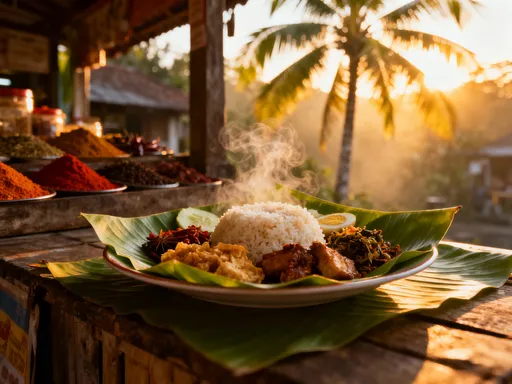
Stepping off the plane in Denpasar, the tropical air wrapped around me like a warm embrace—thick with humidity and the unmistakable scent of woodsmoke, garlic, and something earthy and golden: turmeric. My first real meal in Bali wasn’t in a restaurant, but at a humble roadside warung just outside Ubud, where red plastic stools clustered around a low table beneath a frangipani tree. A plate of nasi campur arrived—steamed rice surrounded by colorful morsels: crisp fried tempeh, a spoonful of spicy sambal, shredded chicken in coconut milk, and a slice of boiled egg. The server, a woman in a simple kebaya blouse, smiled as she gestured for me to start. No menu, no questions—just food, served with quiet pride.
The flavors were immediate and layered. The rice, fragrant and slightly sticky, carried the heat of chili without overwhelming it. Each side dish offered a new sensation—crunch, creaminess, tang, fire. But more than the taste, it was the ritual that struck me. Around me, locals sat cross-legged, eating with their right hands, tearing banana leaves into makeshift plates. Meals here are not rushed. They are pauses in the day, moments of gratitude. In Bali, food is deeply tied to the Hindu concept of tri rna, the three debts: to ancestors, to gods, and to community. Daily offerings called canang sari, filled with rice, flowers, and sweets, are placed on doorsteps and shrines, a reminder that nourishment begins with reverence.
A warung is more than a place to eat—it’s a living room, a social hub, a kitchen run by a family for generations. Many operate out of homes, with open-air kitchens where mothers and daughters chop, stir, and fry in rhythmic unison. Portions are generous, prices modest—often under $3 for a full meal. What you won’t find is pretense. The focus is on flavor, freshness, and connection. That first bite of nasi campur wasn’t just delicious; it was an invitation into a way of life where food is both gift and duty, joy and prayer.
Street Food Deep Dive: Flavors on the Move
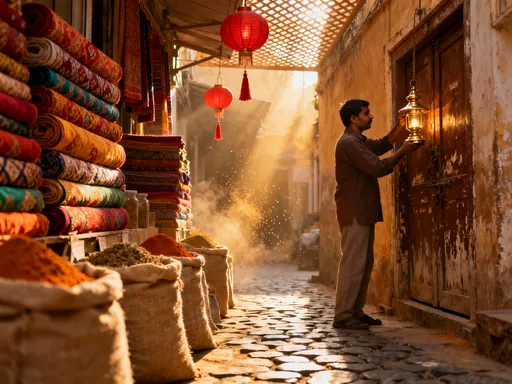
Bali’s street food culture pulses with energy, especially after sunset. In Denpasar’s Pasar Badung or Ubud’s night market, the air thickens with smoke and sizzle. Strings of lanterns glow above rows of stalls, each one specializing in a single dish perfected over decades. The scent of grilled seafood draws you in first—sate lilit, a Balinese specialty made from minced fish or shrimp, mixed with coconut, lime leaves, and a touch of chili, then pressed onto lemongrass stalks and grilled over charcoal. The skewers are smoky, juicy, and fragrant, served with a side of steamed cassava or sweet potato.
Another favorite is pisang goreng—golden, crispy fried bananas, often rolled in breadcrumbs or rice flour for extra crunch. Some vendors add a sprinkle of cheese or chocolate, a nod to modern tastes, but the classic version, dusted with sugar and served warm, is perfection. For dessert or a mid-evening refreshment, es campur offers a cool contrast: a mountain of shaved ice topped with colorful syrups, chewy tapioca pearls, avocado slices, jackfruit, and condensed milk. It’s sweet, creamy, and utterly satisfying on a warm night.
For the cautious traveler, street food can seem risky. Yet in Bali, safety often correlates with popularity. The best rule of thumb is to follow the locals—where there’s a line, there’s freshness and trust. Look for stalls with high turnover, where food is cooked to order and ingredients are visibly clean. Avoid anything sitting out in the sun or served with unboiled water. Many seasoned visitors swear by carrying hand sanitizer and sticking to cooked, hot foods. But beyond hygiene, the real joy of street food lies in participation. Eating with your hands, sharing platters, bargaining gently with a smile—these are the moments that turn a meal into a memory. One evening, I sat on a low stool beside a grandmother selling grilled corn and sweet potatoes. She handed me a cob wrapped in foil, pointed to the chili-lime butter, and laughed as I took my first bite. No words, just warmth. That’s the heart of Bali’s street food: flavor, yes—but more importantly, human connection.
Warungs vs. Fine Dining: Two Sides of the Same Island
Bali’s culinary landscape is a study in contrasts—where a $2 meal at a family warung coexists with a $100 tasting menu at a cliffside villa in Uluwatu. Yet what’s remarkable is how both ends of the spectrum honor the same roots. In Seminyak and Canggu, upscale restaurants serve modern interpretations of Balinese cuisine: duck confit with sambal matah, grilled tuna with turmeric foam, or jackfruit rendang in a coconut broth. Presentation is elegant, plating artistic, service polished. But dig deeper, and you’ll find the same core ingredients—galangal, kaffir lime, shallots, shrimp paste—used with reverence.
One unforgettable dinner took place at a restaurant perched above the Indian Ocean, where the sound of waves blended with live gamelan music. The menu was a seven-course journey through the island’s regions. Each dish came with a story: the jackfruit in the curry was harvested that morning from a farm in Sidemen; the chili paste was ground using a traditional cobek and ulekan (mortar and pestle); the rice was organic, grown in the Tegallalang rice terraces. Even the water was infused with local lemongrass and pandan leaf. The experience was luxurious, yes—but never pretentious. The chef, a Balinese native trained in France, spoke passionately about preserving tradition while embracing innovation.
What sets Bali apart from other culinary destinations is that authenticity isn’t sacrificed for elegance. Many high-end restaurants partner directly with local farmers, fishermen, and spice growers. Some even host cooking classes or temple offerings as part of their operations, honoring the spiritual side of food. In contrast, a warung in Gianyar might serve the same babi guling (suckling pig) as a five-star hotel—but with a different kind of richness. There, the pig is roasted in a family compound, seasoned with turmeric, garlic, and coriander, then carved tableside. The skin crackles, the meat falls apart, and the rice is served in a banana leaf cup. No silverware, no menu—just generations of knowledge passed down through fire and flavor.
The lesson? Whether you’re dining on a plastic stool or a linen-covered table, Bali’s food tells the same story: one of respect for ingredients, craftsmanship, and community. The island proves that luxury and simplicity are not opposites—they are two expressions of the same deep cultural pride.
Cooking Class Chronicles: Learning the Secrets
No culinary journey is complete without learning to recreate the magic at home. In a quiet village near Ubud, I joined a half-day cooking class hosted by a Balinese family in their compound. The day began at a local market, where our instructor, Wayan, guided us through stalls piled high with fresh turmeric, ginger, and bunches of long beans. She taught us how to choose the ripest mangoes, the firmest tofu, and the most aromatic kaffir limes. Every ingredient had a purpose, a season, a story.
Back at the family home, we gathered in the open kitchen, where a wood-fired stove stood beside a stone mortar. Our first task: making base genep, the foundational spice paste of Balinese cooking. Into the cobek went shallots, garlic, turmeric, galangal, ginger, candlenuts, and shrimp paste. We took turns grinding, our arms aching as the paste slowly transformed into a smooth, golden paste. The scent was intoxicating—earthy, warm, alive. Wayan explained that this mixture is used in nearly every savory dish, from curries to soups to marinades.
We prepared four dishes: lawar (a spicy mix of vegetables, coconut, and minced meat), sate lilit, urap (steamed vegetables with spiced coconut), and a simple sambal. Each step involved tradition: using banana leaves to wrap food, cooking over fire, serving on natural platters. But beyond technique, the class taught philosophy. Wayan spoke of tri hita karana—the Balinese principle of harmony with God, people, and nature. Food, she said, is a reflection of this balance. Ingredients are grown with care, meals are shared with gratitude, and nothing is wasted. Leftovers go to animals or are used in offerings.
When the meal was ready, we sat together on the porch, eating with our hands. The flavors were bold, complex, deeply satisfying. But prouder than the taste was the knowledge—that I had participated in a centuries-old tradition, that I had touched the soil, smelled the spices, and broken bread with a family who opened their home. Cooking in Bali isn’t just about recipes; it’s about belonging.
Regional Flavors Across the Island
Bali may be small, but its culinary map is vast and varied. Each region tells a different story through its food, shaped by geography, climate, and culture. In Jimbaran, a fishing village on the southern coast, the cuisine is dominated by the sea. Every evening, rows of restaurants set up on the sand, grilling fresh fish, prawns, and squid over coconut husks. The preparation is simple—marinated in garlic, chili, and lime—but the flavor is pristine, enhanced by the ocean breeze and the sound of waves.
Head inland to Ubud, and pork takes center stage. Babi guling, the famous suckling pig, is a Ubud specialty, with crispy skin, tender meat, and a stuffing of spices including turmeric, ginger, and lemongrass. One of the most renowned spots is a roadside stall near the market, where the pig roasts slowly from dawn until midday. Locals line up early, knowing that once it’s gone, it’s gone. Another iconic dish is bebek betutu—a whole duck slow-cooked for up to 24 hours in banana leaves with a rich spice paste. Traditionally prepared for temple ceremonies, it’s now a must-try for visitors, available at family kitchens in villages like Penglipuran and Tenganan.
In the highlands of Kintamani, where the air is cooler and the soil rich, vegetables and fruits thrive. Warungs here serve hearty soups, stir-fried greens, and fresh avocados. The region is also known for its coffee, grown on volcanic slopes. In more spiritual areas like Sidemen or Amed, vegetarian and plant-based dishes are more common, reflecting the influence of yoga retreats and mindful living. Yet even here, flavor is never sacrificed. Dishes like gado-gado (vegetables in peanut sauce) or jukut urap (spiced coconut vegetables) are rich, satisfying, and deeply rooted in tradition.
Religion also plays a role. As a Hindu-majority island, Bali avoids beef in many sacred contexts, though it’s available in some tourist areas. Pork and duck, however, are celebrated, often used in temple offerings and family feasts. The result is a cuisine that is both diverse and deeply intentional—where what you eat is shaped not just by hunger, but by belief, season, and place.
Coffee, Coconuts, and Local Sips
No day in Bali begins without a cup of coffee. But this is no ordinary brew. In the highlands of Kintamani, smallholder farmers grow Arabica beans known for their bright acidity and citrus notes. A visit to a family-run plantation reveals the entire process: from hand-picking ripe cherries to sun-drying the beans on bamboo mats. The result is a clean, aromatic coffee, best enjoyed black, with no sugar needed.
Then there’s kopi luwak—the infamous civet coffee. While once a curiosity, ethical concerns have grown over the treatment of civet cats in captivity. Many responsible travelers now avoid it, opting instead for organic, shade-grown alternatives. Some farms offer tastings that educate visitors on sustainable practices, emphasizing that great coffee doesn’t require exploitation. One such farm near Bangli serves a smooth, chocolatey blend made from heirloom beans, roasted in small batches.
During the day, hydration comes from nature’s own bottle: the young green coconut. Sold at nearly every corner, its sweet, slightly salty water is refreshing and rich in electrolytes. Vendors crack them open with a machete, hand you a straw, and move on—simple, efficient, delicious. For something more medicinal, jamu is the traditional herbal tonic, made from turmeric, ginger, tamarind, or rice vinegar. Often sold by women in yellow sashes, it’s believed to boost immunity, aid digestion, and restore balance. The taste is earthy, tangy, sometimes spicy—but always invigorating.
Evenings might bring a local Bintang beer by the beach or a cocktail made with arak, a distilled spirit from palm sap. But the true stars are the non-alcoholic drinks: coconut water, fresh fruit juices, and spiced teas. In Bali, every sip tells a story of land and labor, of tradition and care.
How to Eat Like a Local: Practical Tips & Cultural Respect
To truly experience Balinese food, it helps to follow local customs. Eating with the right hand is traditional—left hands are considered unclean. While utensils are common in restaurants, using your hand at a warung is a sign of respect and immersion. Tear rice into small pieces, mix with sambal, and roll into a bite-sized ball. It’s messy, yes—but also intimate and connected.
Sharing is central. Meals are often served family-style, with multiple dishes placed in the center. Take small portions, try a bit of everything, and never waste food. In Bali, leftovers are often reused or given to animals, and food is too sacred to discard. If you’re unsure, ask your host or server for guidance.
Dress modestly when near temples or during ceremonies. Shoulders and knees should be covered, and headscarves may be required. Never touch or step over offerings—those small palm-leaf baskets filled with rice and flowers. They are sacred, not decorations. If you want to photograph food rituals or people, ask first. A smile and a nod go a long way.
Finally, approach every meal with curiosity and humility. Try dishes you can’t pronounce. Sit where the locals sit. Smile, thank your server, and savor the moment. Bali’s food is not just about taste—it’s about connection, gratitude, and the quiet joy of being present.
Conclusion
Bali’s cuisine is more than a list of dishes—it’s a living tradition, a celebration of balance, and a doorway to connection. By embracing its flavors with curiosity and respect, travelers don’t just taste food; they taste belonging. The real magic isn’t in the spice—it’s in the shared moment, the smile across the table, the island saying “welcome” through a plate of steaming rice and chili. From the smoky warung to the oceanfront feast, every bite tells a story of land, faith, and family. Let your next journey be seasoned with meaning, served with grace, and remembered not just for what you ate—but for how it made you feel.