You Won’t Believe What Udaipur’s Hidden Markets Are Hiding
Wandering through Udaipur’s bustling business districts feels like stepping into a living postcard. The scent of spices, the hum of bargaining, and the glint of handcrafted silver—it’s sensory overload in the best way. I came for the palaces, but stayed for the city’s commercial soul. These streets aren’t just for shopping—they’re where tradition meets daily life, and every alley tells a story. Let me take you deep into the heartbeat of Udaipur’s real magic.
The Pulse of Udaipur: Beyond Palaces and Lakes
Udaipur is often celebrated for its ethereal lakes and majestic palaces rising like mirages from the Aravalli hills. Postcards show the shimmering Lake Pichola, the fairy-tale silhouette of Jag Mandir, and the grandeur of the City Palace complex. Yet beyond these polished facades lies a different rhythm—one measured not in royal history but in daily trade, in the clink of coins, and the shuffle of slippers on sun-warmed stone. This is the pulse of Udaipur: its network of markets, bazaars, and artisan lanes that keep the city breathing.
While tourists linger at museum exhibits and boat rides, locals navigate a vibrant commercial ecosystem that has evolved over centuries. These districts are not curated for cameras; they exist to serve, sustain, and connect. Here, commerce is interwoven with culture. A spice vendor measures turmeric with the same care a priest measures offerings. A tailor stitches wedding garments with patterns passed down from his grandfather. These are not performances for visitors—they are lived traditions, quietly enduring in plain sight.
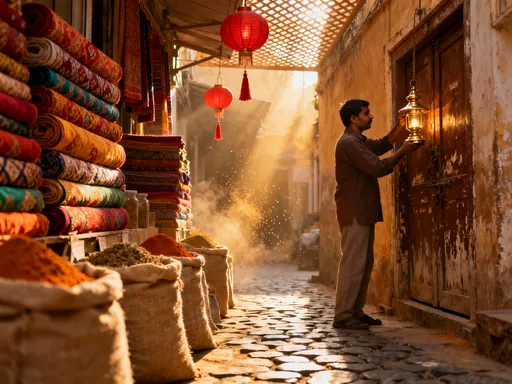
The atmosphere in these zones is electric yet intimate. Early mornings bring delivery carts rumbling through narrow alleys, their wooden wheels echoing against stone walls. Shopkeepers sweep thresholds, hang lanterns, and arrange goods with meticulous care. Hand-painted signs in Devanagari script announce everything from fresh milk to brass fittings. The air carries a layered fragrance: marigolds from temple vendors, cumin roasting on iron griddles, and the faint metallic tang of copper being polished. It’s chaos, yes—but a harmonious one, guided by routine and respect.
What makes these areas truly special is their authenticity. Unlike sanitized shopping arcades or tourist-centric plazas, Udaipur’s working markets offer unfiltered access to local life. You won’t find mass-produced souvenirs here—at least not exclusively. Instead, you’ll encounter families who have run the same stall for three generations, artisans who work by hand because machines can’t replicate their precision, and shop owners who remember your face after just one visit. This continuity isn’t accidental; it’s the foundation of community resilience in a rapidly modernizing India.
City Palace Bazaar: Where Heritage Meets Hustle
Just outside the towering gates of the City Palace, the bazaar unfolds like a ribbon of color and sound. This is where heritage architecture meets modern enterprise in a dynamic dance. The palace itself, a labyrinth of courtyards and balconies, casts long shadows over rows of tightly packed shops selling everything from miniature paintings to silver toe rings. The contrast is striking—centuries-old stone walls stand shoulder to shoulder with bustling storefronts where digital payment QR codes sit beside hand-carved wooden counters.
The specialty of this zone lies in its cultural duality. Vendors cater to both tourists and locals, balancing authenticity with accessibility. One shop might display traditional gota patti embroidery alongside printed postcards of Udaipur’s skyline. Another offers hand-painted Rajasthani puppets next to battery-powered replicas. Yet beneath this commercial pragmatism runs a deep current of tradition. Many shopkeepers are descendants of palace artisans who once crafted goods exclusively for royalty. Today, they adapt their skills to meet broader demand, but the craftsmanship remains rooted in ancestral knowledge.
Sensory immersion defines the experience. Run your fingers over a bolt of handwoven bandhani fabric—its tiny knots dyed in saffron and indigo speak of days of labor. Listen to the rhythmic tapping of a silversmith engraving floral motifs onto a bangle, each strike deliberate and precise. Watch as lacquer boxes, painted with peacocks and lotuses, are stacked like treasure chests behind glass. The visual richness is matched by auditory layers: the call of a tea vendor, the rustle of silk, the low murmur of negotiations conducted in a mix of Hindi, Mewari dialect, and broken English.
What also stands out is the informal economy that thrives here. Family-run stalls dominate, often with children helping during school breaks and elders offering advice from wooden stools. These micro-businesses operate on trust and reputation more than branding. A vendor might let a regular customer take home a shawl on credit, knowing they’ll return next week. Such relationships aren’t transactional—they’re relational, built over years. And while tourism brings income, it’s the local patronage that ensures survival during off-seasons.
Hathi Pol Bazaar: The Beating Heart of Local Trade
If the City Palace Bazaar flirts with tourism, Hathi Pol Bazaar remains unapologetically local. Named after the historic elephant gate that once welcomed royal processions, this corridor has transformed into a vital artery of everyday commerce. Long before tour buses arrive, Hathi Pol stirs with activity. By 6 a.m., vegetable vendors spread out bundles of okra, eggplant, and bitter gourd on woven mats. Women in cotton saris inspect tomatoes for ripeness, while shop boys stack pyramids of onions and potatoes outside grocers’ stalls.
This market isn’t designed for leisurely browsing—it’s built for utility. Households rely on it for fresh produce, spices, dairy, and household essentials. The scent of coriander, cumin, and dried red chilies fills the air as merchants refill cloth sacks from wooden barrels. One corner specializes in brass utensils—thick-bottomed pots for slow-cooked curries, tiny milk pans, and ceremonial lamps. Nearby, a flour mill hums steadily, grinding wheat into golden powder that bakers will turn into roti before noon.
Street food thrives here too, not as a tourist attraction but as sustenance. A small stall serves kachoris fried to golden perfection, served with tangy tamarind chutney. Another offers steaming cups of masala chai poured from a brass kettle. These aren’t gourmet experiences—they’re fuel for the day, consumed standing up, often between errands. Yet there’s a quiet dignity in the ritual: the chai wallah knows his customers by their preferred sugar level, and the kachori maker adjusts spice levels based on who’s ordering.
The architecture enhances the intimacy. Above the shops, ornate jharokhas—overhanging balconies with carved stone latticework—cast dappled shade onto the street below. These details, remnants of older urban design, reflect a time when homes and businesses coexisted vertically. Today, some upper floors still serve as residences, their windows revealing laundry lines and potted plants. The tight lanes maximize shade in Rajasthan’s intense heat, creating microclimates where temperatures drop just enough to make walking bearable. Space is used efficiently: a single stall might sell spices in the front, store inventory behind a curtain, and serve as a family kitchen at night.
Sukhadia Circle: The Modern Marketplace Blend
A short auto-rickshaw ride from the old city, Sukhadia Circle presents a different face of Udaipur’s commercial evolution. Named after a former governor and centered around a serene circular lake, this area blends green space with contemporary retail. It’s a hub for younger professionals, affluent families, and expatriates seeking a more relaxed shopping experience. Wide sidewalks, landscaped gardens, and shaded benches invite strolling—a contrast to the dense, sensory-packed alleys of Hathi Pol.
Here, commerce wears a modern face. Boutique stores offer curated collections of organic cotton clothing, eco-friendly home goods, and artisanal teas. Cafés with outdoor seating serve cold-pressed juices and avocado toast alongside traditional lassis. Shopping complexes house national brands, electronics stores, and multiplex cinemas. Digital payments are the norm, and air-conditioned interiors provide refuge from the summer heat. The pace is slower, the interactions more transactional, but no less meaningful.
Yet even in this modern setting, echoes of tradition persist. A jewelry store might showcase Kundan necklaces alongside minimalist gold designs. A café menu could list masala chai next to cold brew. Local designers use Rajasthani block prints in contemporary silhouettes, appealing to both heritage lovers and fashion-forward buyers. This blending isn’t forced—it reflects the city’s organic evolution, where new lifestyles coexist with deep cultural roots.
Sukhadia Circle also serves as a social connector. Families gather on weekends for evening walks around the fountain. Teenagers meet at ice cream parlors. Retirees sip tea at lakefront kiosks. It’s a space where commerce supports community life, not just consumption. And while it lacks the raw energy of older bazaars, it offers something equally valuable: a vision of how tradition can adapt without disappearing. The circle isn’t a replacement for the old markets—it’s a complement, expanding Udaipur’s commercial identity without erasing it.
Craft Clusters and Workshops: Behind the Scenes of Udaipur’s Goods
To understand Udaipur’s markets fully, one must go beyond retail and step into the workshops where goods are born. A short walk from Gulab Bagh, tucked behind residential lanes and temple courtyards, lie clusters of small studios where artisans practice crafts that have defined Rajasthan for generations. These are not tourist demonstrations—they are working spaces, often family-run, where skill and patience shape raw materials into beauty.
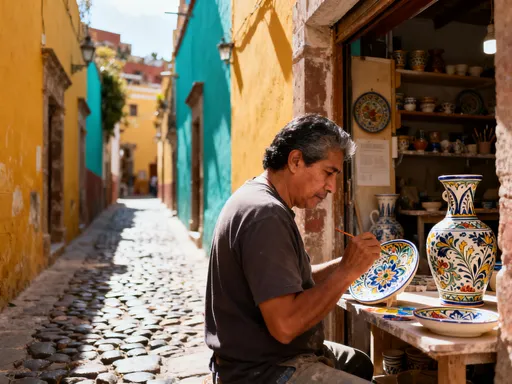
In a metalwork studio, a craftsman hammers a sheet of brass into the shape of a lamp. His hands move with practiced precision, bending, shaping, and engraving floral patterns that will catch candlelight. Nearby, another artisan polishes silver to a mirror finish, preparing it for镶嵌 work with colored glass or semi-precious stones. The air carries the scent of metal shavings and oil, and the only sounds are the rhythmic tapping of tools and the occasional sip of chai from a steel tumbler.
Textile workshops tell a different but equally rich story. Block printers dip carved wooden stamps into dye and press them onto cotton with steady pressure. Each pattern—geometric, floral, or mythological—requires multiple impressions, aligned perfectly to avoid smudging. Natural dyes derived from pomegranate, indigo, and madder root produce colors that deepen with age. The process is slow, labor-intensive, and unforgiving of error. Yet the artisans take pride in their work, often refusing to rush even when orders pile up.
These workshops are the unseen engines of Udaipur’s market economy. When you buy a hand-painted miniature or a hand-embroidered shawl in the City Palace Bazaar, it likely originated here. Visiting them offers a rare opportunity to witness authenticity in motion—to see the hours of effort behind a single object. More importantly, purchasing directly or through ethical retailers supports sustainable livelihoods. It ensures that these crafts remain viable, not frozen as museum exhibits but living traditions passed to new generations.
Navigating the Markets: Practical Tips for Immersive Exploration
Exploring Udaipur’s markets can be deeply rewarding, but a few practical considerations enhance both comfort and respect. Timing matters. The best hours to visit are early morning, between 7 a.m. and 10 a.m., when temperatures are mild and activity is at its most authentic. By midday, the sun becomes intense, and some smaller vendors close for a break. Late afternoons bring renewed energy, especially during cooler months, but weekends can be crowded with local shoppers.
Dress modestly and comfortably. Lightweight cotton clothing in neutral tones helps you blend in and stay cool. Avoid revealing attire, as many areas are residential and conservative. Footwear should be easy to slip on and off—some shops require removing shoes before entering, especially those dealing with textiles or sacred items. A small cloth bag or tote is useful for carrying purchases without contributing to plastic waste.
Cash remains essential, especially in older bazaars. While digital payments are growing, many small vendors—particularly in Hathi Pol—still operate on cash-only systems. Carry small denominations for ease of bargaining and tipping. Speaking a few words of Hindi or simple phrases like “kitna hai?” (how much?) can open doors to friendlier interactions, though English is widely understood in tourist-facing areas.
Bargaining is expected but should be done respectfully. Start by asking the price, then offer 70–80% of it, especially for non-essential items like souvenirs or clothing. A smile and polite tone go further than aggressive haggling. Remember, many vendors earn modest incomes, and fair pricing supports their livelihood. If you’re unsure, observe how locals negotiate—it’s often a playful exchange, not a confrontation.
Transportation within the old city is best handled via auto-rickshaws or walking. The narrow lanes are impassable to cars, and parking is limited. Auto drivers often double as informal guides, offering tips on which stalls sell the best spices or silver. For longer distances, ride-hailing apps like Ola or Uber operate reliably. Always confirm fares in advance or insist on metered rides to avoid misunderstandings.
Stay hydrated and carry a reusable water bottle. Street food is safe if eaten at busy stalls with high turnover—look for vendors using clean utensils and covering food when not in use. Avoid ice unless you’re certain it’s made from purified water. Sunscreen, a wide-brimmed hat, and a light scarf for shoulder coverage are wise additions, especially between March and June when temperatures soar.
Why These Streets Tell Udaipur’s True Story
Udaipur’s markets are more than places to buy souvenirs—they are living archives of culture, economy, and human connection. They reveal a city that honors its past not through static preservation but through daily practice. In every transaction, there’s a thread of continuity: the brass lamp shaped by a descendant of royal artisans, the spice blend passed down through a family for generations, the smile exchanged between vendor and customer who’ve known each other for years.
These streets sustain livelihoods. They preserve endangered crafts. They foster community in an age of digital isolation. When you purchase a hand-blocked textile or share a cup of chai with a shopkeeper, you’re not just consuming—you’re participating. You become part of a network that values skill over speed, relationship over revenue, and tradition over trend.
True travel immersion doesn’t happen in curated experiences alone. It unfolds in the unplanned moments: watching an elderly woman bargain for turmeric with the same vendor her mother once did, or seeing a child hand-polish a silver pendant under his father’s watchful eye. These are the stories that guidebooks miss—the quiet, enduring pulse of a city that lives not in its monuments, but in its markets.
So when you visit Udaipur, look beyond the palaces reflected in still waters. Step into the alleys where life unfolds in real time. Let the scent of cumin guide you, the sound of hammer on metal pull you in, the warmth of a shared smile welcome you. For in these hidden markets, you won’t just see Udaipur—you’ll feel it, breathe it, and carry a piece of its soul with you long after you’ve left.