What Nobody Tells You About Shopping in Algiers
Shopping in Algiers isn’t just about buying souvenirs—it’s a full sensory adventure. Between the maze-like markets and bustling streets, I learned what guidebooks often skip. From unexpected haggling rules to hidden local spots, my experience was equal parts thrilling and tricky. If you're planning a trip, knowing what to avoid makes all the difference. Let me walk you through the real Algiers shopping scene—honest, unfiltered, and totally worth preparing for.
First Impressions: The Pulse of Algiers’ Shopping Culture
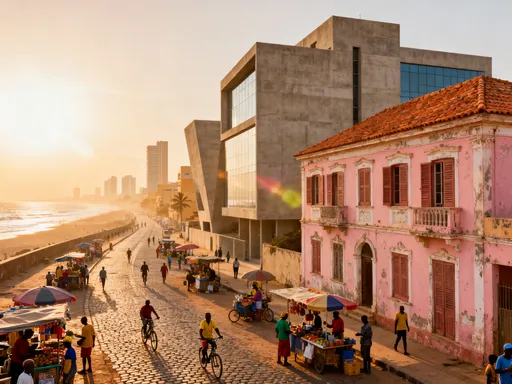
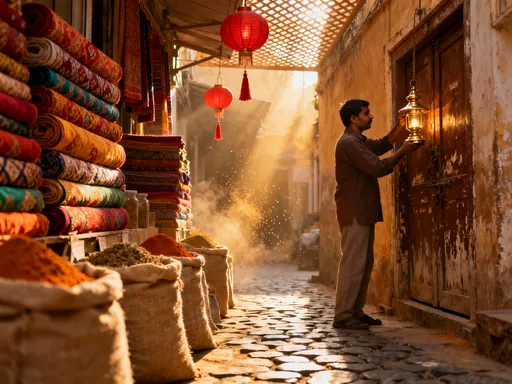
Stepping into Algiers for the first time, the rhythm of commerce hits you before anything else. The air hums with voices calling out from sidewalk stalls, the scent of roasted spices weaving through crowds that move like tides through narrow lanes. Vendors display everything from hand-stitched babouches to gleaming copper trays, their wares spilling onto sidewalks in vibrant disarray. This is not shopping as a transaction—it’s shopping as performance, as conversation, as life unfolding in real time.
The contrast between tourist-facing areas and authentic neighborhood markets becomes clear quickly. In central zones like Place des Martyrs or near the Notre Dame d’Afrique viewpoint, prices are often pre-tagged, displays polished, and interactions brief. These spots cater to convenience, but they rarely reflect the soul of Algerian commerce. Venture a few blocks into residential quarters like Belcourt or Bab El Oued, and the energy shifts. Here, shopkeepers greet regulars by name, children dart between stalls with loaves of khobz tucked under their arms, and bartering unfolds slowly, almost ceremonially.
Understanding this cultural context is essential before spending a single dinar. In Algeria, shopping is rarely a rushed act. It’s embedded in social customs—respect, patience, and relationship-building matter as much as the item being bought. A customer who takes time to exchange pleasantries, sip mint tea offered at a carpet stall, or ask about a vendor’s family will often find doors opening quietly. Prices may ease, access to back-room stock might be granted, or an unexpected gift—a small bag of dates, a sample of saffron—might appear. These gestures aren’t part of a sales tactic; they reflect deep-rooted values of hospitality and dignity.
For travelers, this means adjusting expectations. Efficiency isn’t the goal here. The goal is connection. Recognizing that shopping in Algiers operates on a different set of social rules helps avoid frustration and unlocks richer experiences. It also protects against missteps—like appearing too eager, which can signal to some vendors that higher prices are negotiable upward rather than down.
Navigating the Medina: Where Tradition Meets Tourist Traps
The Casbah of Algiers, a UNESCO World Heritage site, stands as both a historical treasure and a commercial labyrinth. Its steep, winding alleys are lined with tiny shops and open-air stalls where generations of artisans have practiced their crafts. Wandering through, one can find beautifully carved wooden boxes, intricately patterned tiles, and hand-embroidered fabrics that speak to centuries of Mediterranean and North African influence. But amid this authenticity, tourist traps lurk in plain sight.
Some sellers in high-traffic sections of the Medina specialize in what might be called ‘look-alike’ goods—items designed to mimic traditional Algerian craftsmanship but produced cheaply overseas. A ceramic tagine, for example, may bear the markings of local origin, yet feel too light, its glaze too uniform. Similarly, leather goods stamped with ‘Made in Algeria’ might have been imported from Turkey or China and only finished locally. These items aren’t illegal, but they’re often sold at inflated prices under the assumption that tourists won’t know the difference.
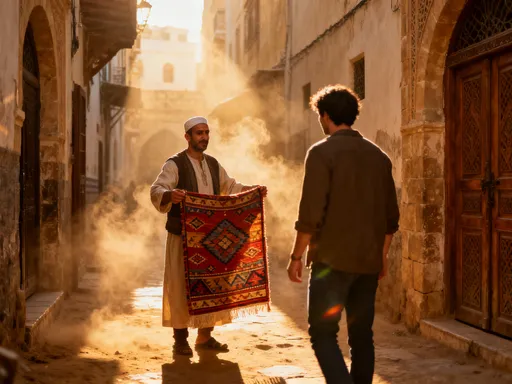
One telling moment came when I examined a stack of woven wool blankets at a stall near the Dar Hassan Pacha museum. The vendor insisted they were from Kabylie, a mountainous region renowned for its textile artistry. But the weave was too tight, the dyes too bright—unnatural for hand-dyed wool. When I gently asked if they were machine-made, his expression shifted. He didn’t argue. Instead, he smiled and pulled out a smaller, less flashy blanket from beneath the counter. This one, he said, was the real thing—lighter in color, coarser in texture, and significantly more expensive. He explained that many tourists preferred the ‘prettier’ version, even if it wasn’t authentic.
This encounter revealed a quiet truth: some vendors are aware of the deception but cater to what they believe tourists want. Others, particularly older artisans, take pride in their heritage and will go out of their way to educate curious buyers. The key is discernment. Look for imperfections—slight variations in dye, irregular stitching, natural wood grain—as signs of handmade quality. Ask questions, not to challenge, but to show interest. And when in doubt, compare across multiple stalls before committing.
Haggling Like a Local: Rules You Can’t Ignore
In Algiers, haggling isn’t optional—it’s expected in most informal markets. Fixed prices are rare outside of malls or official boutiques. But negotiation here follows an unspoken etiquette that differs from Western assumptions. It’s not a battle of wills; it’s a dance of respect, rhythm, and reading cues. Enter with aggression, and the door closes. Approach with calm curiosity, and the conversation begins.
The first rule: never start at half the asking price. In some markets, that’s seen as insulting. A better strategy is to ask for the price, pause, and then offer around 20–30 percent less. Watch the seller’s reaction. A smile, a shrug, or a counteroffer means the dialogue is open. A flat refusal or sudden silence may mean you’ve gone too low—or that the item is already fairly priced. In such cases, it’s wiser to walk away than to push further.
One morning in a small souk near the Ketchaoua Mosque, I admired a brass coffee pot with delicate engravings. The vendor quoted 8,000 dinars. I responded with 5,000, which he dismissed with a light laugh. Instead of insisting, I complimented the craftsmanship and asked about its origin. He warmed, explained it was made in Constantine, and then dropped his price to 6,500. I countered with 6,000, offered my hand, and the deal was sealed with a handshake and a shared laugh. The exchange took five minutes, but it felt like a shared victory.
Body language matters as much as words. Avoid crossing arms, turning away abruptly, or checking your watch. These can signal disinterest or impatience. Instead, maintain eye contact, nod thoughtfully, and use simple French or Arabic phrases like combien? (how much?), pas cher? (cheaper?), or merci, je réfléchis (thank you, I’ll think about it). A polite exit is just as important as the opening bid—many vendors appreciate honesty more than forced deals.
Hidden Gems: Local Markets Most Travelers Miss
Beyond the well-trodden paths of the Casbah and downtown boutiques lie markets that offer a truer glimpse into daily Algerian life. One such place is the Souk el Fellah in the El Harrach district, a sprawling farmers’ and artisans’ market that opens early each Tuesday and Friday. Here, local families come to buy fresh produce, herbs, and handmade household goods. Unlike tourist-centric souks, prices are modest, interactions are genuine, and the atmosphere is refreshingly unperformed.
Walking through Souk el Fellah, I found stalls selling bundles of wild thyme, jars of raw honey from the Tell Atlas mountains, and hand-carved olive wood spoons. A woman in a bright headscarf offered samples of dried figs, urging me to taste their sweetness. Another vendor, an elderly man with ink-stained fingers, repaired traditional leather slippers on the spot, hammering soles with rhythmic precision. There was no pressure to buy—only an open invitation to observe, engage, and participate.
Reaching these markets requires a bit of effort. Public transportation, such as the Algiers metro or local buses, is reliable and inexpensive. Taxis are plentiful, though it helps to know the neighborhood name in French or Arabic. Alternatively, asking a trusted shopkeeper in the city center for directions can lead to unexpected rewards—many are happy to help, especially if you’ve shown genuine interest in their work.
Another under-the-radar option is cooperative shops run by women’s artisan groups, often found in suburban areas like Zéralda or Boumerdès. These spaces sell high-quality embroidery, woven baskets, and natural cosmetics made from local ingredients. Because they operate as collectives, prices are fair, and profits go directly to the makers. Visiting these cooperatives supports sustainable livelihoods and offers a chance to see craftsmanship in its purest form.
What to Buy (and What to Skip)
Algiers offers a wealth of authentic products worth bringing home—not as souvenirs, but as meaningful connections to a culture. Among the most valuable are handwoven rugs from the Aurès Mountains, known for their geometric patterns and natural dyes. These rugs are heavy, yes, but their craftsmanship is unmatched. Look for slight irregularities in the weave, which confirm they were made by hand rather than machine.
Olive wood items—bowls, spoons, chess sets—are another excellent choice. Algeria’s Mediterranean climate produces dense, fragrant wood that artisans shape with care. Authentic pieces will have a warm, uneven grain and a subtle scent of the tree. Avoid items that feel plastic-like or have a uniform sheen, as these are likely mass-produced imitations.
When it comes to food, genuine saffron from Tlemcen is a prized find. Real saffron threads are deep red, slightly brittle, and release a rich golden hue when steeped in water. Be wary of bright red powders or suspiciously low prices—these are often adulterated with turmeric or other fillers. Similarly, traditional clothing like the haik or gandoura can be beautiful additions to a wardrobe, especially when purchased from family-run textile shops in neighborhoods like Hussein Dey.
On the other hand, avoid anything labeled “ethnic” or “Berber-style” that feels too perfect or too cheap. Mass-produced jewelry, plastic-tagined sets, and printed scarves with generic “Arabic” patterns are usually imported from Asia and rebranded for tourists. They lack cultural significance and contribute little to local economies. Instead, seek out items with stories—those made by named artisans, sold in family workshops, or tied to specific regions.
Practical Pitfalls: Cash, Language, and Timing
No matter how culturally prepared you are, practical challenges can derail even the most thoughtful shopping trip. One of the most immediate is the near-universal reliance on cash. While larger stores and hotels may accept cards, most market vendors operate on a cash-only basis. ATMs are available in central areas, but they occasionally run out of bills or malfunction. Carrying enough Algerian dinars—preferably in small denominations—is essential.
Currency exchange can be tricky for first-time visitors. Official exchange offices offer the safest rates, but long lines are common. Avoid street changers, no matter how convenient they seem. Their rates may appear favorable, but counterfeit bills and short-counting are real risks. It’s better to arrive with euros or U.S. dollars in clean, unmarked bills and exchange them in authorized locations.
Language is another hurdle. While French is widely spoken in commerce, especially among older vendors, English is not. Basic phrases in French or Arabic go a long way. Simple expressions like bonjour, combien ça coûte?, or je voudrais voir cela open doors more than silence ever could. Carrying a small phrasebook or using an offline translation app can ease communication without relying on others.
Timing also plays a role. Many small shops close during Friday prayers, and some markets wind down by mid-afternoon. The best days to shop are Thursday and Sunday, when fresh goods arrive and vendors are most active. Early mornings offer cooler temperatures and fewer crowds, making it easier to browse and connect. Avoid major holidays or religious observances, when most businesses shut down entirely.
Respect, Connection, and the Real Reward of Shopping
After days of navigating markets, haggling over prices, and carrying bundles through sunlit alleys, I realized something unexpected: the most valuable thing I brought home wasn’t a rug or a spice blend. It was the memory of a conversation with an elderly carpet weaver in a dimly lit shop near the Casbah gate. He didn’t speak French, I didn’t speak Arabic, yet we spent nearly an hour together, sharing tea, pointing at patterns, and laughing at our mutual misunderstandings.
In that moment, shopping ceased to be about acquisition. It became an exchange of presence, of mutual curiosity, of quiet respect. He showed me how each symbol in his rugs carried meaning—water for life, diamonds for protection, zigzags for mountains. When I finally chose a small piece, he wrapped it carefully, not in plastic, but in a piece of old linen. “Pour la maison,” he said. For the home.
This is the real reward of shopping in Algiers—not the objects, but the humanity they reveal. Every purchase, when made mindfully, becomes a thread in a larger story. It honors the maker, supports the family, and preserves tradition. It transforms travel from passive observation to active participation.
With the right awareness—of culture, of etiquette, of intention—the bustling markets of Algiers stop being overwhelming and start becoming welcoming. They become places where strangers become temporary friends, where every item carries a history, and where the act of buying becomes an act of respect. For the thoughtful traveler, that’s not just a shopping trip. It’s a journey worth remembering.