Snap Me If You Can: Chasing Light and Life in Antwerp
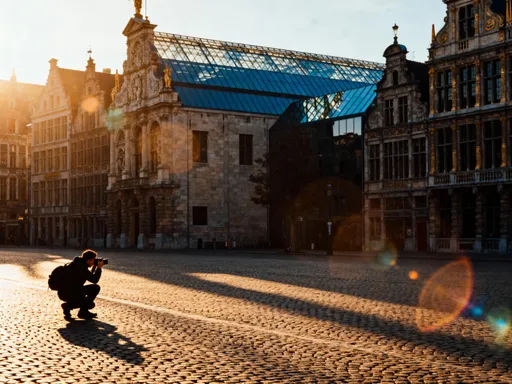
Ever wondered where European elegance meets raw, photogenic soul? I walked Antwerp’s cobbled lanes not just to see it—but to capture it. Between golden-hour glimmers on medieval facades and spontaneous moments at hidden markets, this city isn’t just beautiful; it’s designed to be felt through a lens. If you’re chasing experiences that look stunning and feel real, let’s dive into the magic behind the shot. Antwerp doesn’t simply offer scenery—it invites participation. Every alleyway hums with creative energy, every sunlit square tells a story waiting to be framed. For travelers who see the world through a viewfinder, this Belgian gem delivers authenticity, contrast, and light in abundance.
The First Frame: Why Antwerp Feels Like a Living Photo Studio
Antwerp is a city where history and modernity coexist in visual harmony, creating an environment that feels less like an urban center and more like a continuously evolving photo exhibition. The skyline alone tells a layered story—Gothic spires rise beside sleek glass towers, and centuries-old guild houses stand shoulder to shoulder with minimalist fashion boutiques. This dynamic contrast is not accidental; it’s a reflection of a city that honors its past while confidently shaping its future. For photographers, both amateur and experienced, this blend provides endless compositional possibilities. The city’s architectural diversity ensures that no two shots ever feel the same, even within a single neighborhood.
One of the most compelling aspects of Antwerp’s visual identity is its authenticity. Unlike some European cities that feel preserved behind glass, Antwerp is lived-in, dynamic, and full of motion. The people contribute as much to the city’s aesthetic as the buildings do. Locals stroll through the streets dressed in effortlessly curated outfits—evidence of the city’s deep-rooted fashion culture—adding human texture to every frame. A woman adjusting her scarf under a cathedral’s shadow, a cyclist pausing at a cobbled intersection, or an artisan unlocking the door to a centuries-old shop—these fleeting moments are the soul of Antwerp’s photography appeal.
The city’s streets themselves function as galleries. While the grandeur of the Cathedral of Our Lady draws immediate attention, it’s the smaller details that often captivate the lens: peeling paint on a 17th-century door, ivy climbing a brick archway, or the reflection of a streetlamp in a rain-soaked cobblestone. Even the signage feels intentional—hand-painted shop names, vintage neon lights, and multilingual menus layered like collage. The Port House, a striking modern addition to the old port authority building, exemplifies how Antwerp embraces innovation without erasing tradition. Its angular, crystal-like structure floats above the historic brick base, creating a powerful juxtaposition that photographers love to isolate and study.
Street art also plays a significant role in Antwerp’s visual landscape. Unlike cities where graffiti is suppressed, here it’s celebrated as part of the urban dialogue. Murals appear in alleyways, under bridges, and on the sides of residential buildings—some political, some whimsical, all expressive. These pieces change over time, ensuring that repeat visitors always find something new to photograph. The organic nature of these visuals—unstaged, unfiltered, and often spontaneous—makes Antwerp feel like a living photo studio, where every turn offers a fresh composition waiting to be discovered.
Golden Hour Glory: Where Light Paints the City
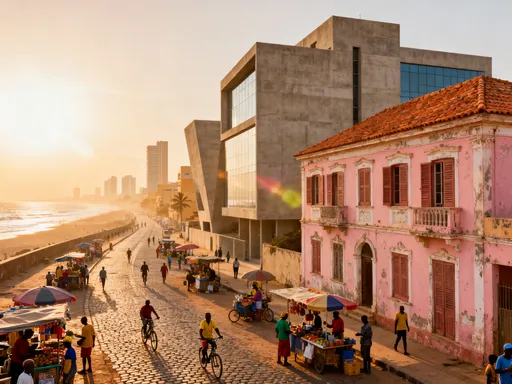
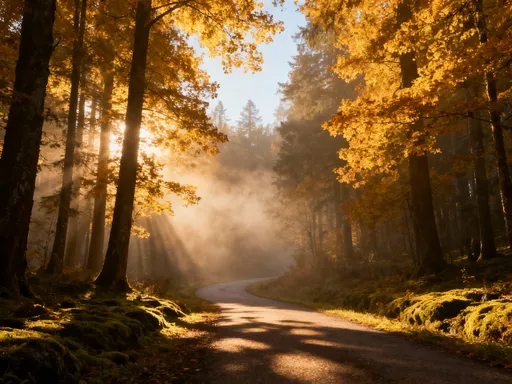
If architecture provides the structure of a photograph, then light gives it emotion—and in Antwerp, golden hour transforms the city into a painter’s canvas. As the sun dips below the horizon, its warm glow bathes the red-brick warehouses along the Scheldt River, turning their facades into molten gold. This is the time when Antwerp doesn’t just look beautiful; it performs. The interplay of light and shadow across centuries-old stonework creates depth, texture, and mood, elevating even the simplest composition into something cinematic.
One of the most photogenic vantage points during this time is the area surrounding the MAS (Museum aan de Stroom). Positioned at the edge of the historic port, the museum’s bold red-cube design contrasts dramatically with the soft, warm light of dusk. From the elevated walkways or the riverside promenade, photographers can capture sweeping panoramas of the water, the city skyline, and the shifting colors of the sky. The reflections on the river’s surface double the visual impact, offering symmetrical compositions that are both balanced and mesmerizing.
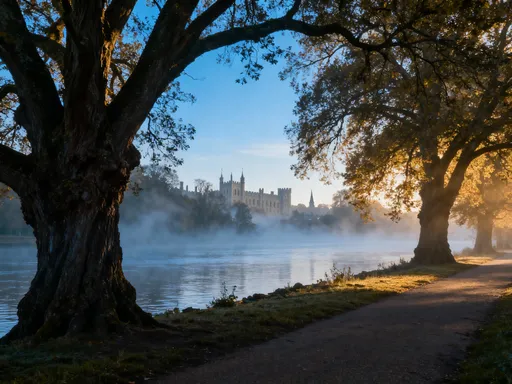
For a more intimate experience, head to Kattendijkdok, a quieter stretch of the waterfront that remains largely untouched by tourism. Here, the absence of crowds allows for unobstructed framing, and the long, straight quay creates natural leading lines that draw the eye into the image. Whether using a professional DSLR or a smartphone with portrait mode, this location rewards patience. A tripod is recommended for long exposures, but even handheld shots benefit from the soft, diffused light that characterizes this time of day. The atmosphere is serene, almost reverent, as if the city itself is pausing to admire its own reflection.
But golden hour isn’t limited to the waterfront. In the historic center, sunlight filters through narrow alleys, illuminating patches of cobblestone and casting elongated shadows that add drama to street photography. The façade of the Cathedral of Our Lady, already imposing in daylight, takes on a spiritual glow as the sun grazes its stone carvings. Even the grand Central Station, often photographed in broad daylight, reveals new dimensions when lit from the side, emphasizing its intricate details and sculptural forms. For those who plan their itineraries around light, Antwerp offers a daily spectacle—one that requires no admission fee, only timing and attention.
Behind the Lens: Hands-On Photography Experiences for All Levels
Antwerp understands that not every visitor arrives with professional gear or formal training—and that’s precisely why the city has cultivated a welcoming photography culture for all skill levels. Guided photo walks, often led by local photographers who know the city’s hidden corners, provide an accessible way to improve technique while discovering lesser-known locations. These aren’t rigid classroom sessions but immersive experiences that blend storytelling, exploration, and hands-on practice. Participants learn how to compose compelling images, use natural light effectively, and find narratives within everyday scenes.
One popular route begins at Het Steen, Antwerp’s oldest surviving building, a fortress that dates back to the 13th century. From its quiet courtyard, the walk meanders through narrow lanes into the bustling fashion district, where contrasts in texture, color, and movement abound. Guides encourage participants to experiment—shooting from low angles, using reflections, or focusing on small details like buttons on a coat or the pattern of a cobblestone path. The emphasis is not on technical perfection but on developing a photographer’s eye: learning to see the extraordinary in the ordinary.
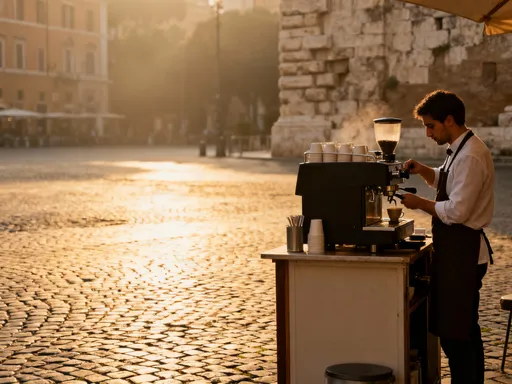
These tours often include stops at local cafés or artisan workshops, where participants can capture candid moments of daily life. A baker pulling fresh loaves from an oven, a tailor threading a needle in a sunlit atelier, or an elderly couple sharing coffee at a sidewalk table—these are the human elements that give Antwerp its photographic soul. The guides, many of whom contribute to travel magazines or exhibit their work locally, share practical tips: how to avoid harsh midday light, when to use manual focus, and how to engage with subjects respectfully when shooting people.
For those traveling with family or friends who may not share the same passion for photography, these walks are also a great way to deepen connection. Couples, mothers and daughters, or groups of friends often join together, using the shared experience to create not just images but memories. The slow pace encourages mindfulness, turning photography into a meditative practice. By the end of a two-hour session, even beginners report feeling more confident in their ability to capture meaningful moments—proof that Antwerp doesn’t just offer great subjects; it teaches you how to see them.
Fashion in Motion: Capturing Antwerp’s Creative Pulse
As the birthplace of the legendary Antwerp Six—a group of avant-garde fashion designers who rose to international fame in the 1980s—the city has long been a global hub for sartorial innovation. This legacy lives on in its streets, where fashion is not confined to runways but expressed in everyday life. The Meir and Nationalestraat areas, known for their high-end boutiques and designer flagship stores, offer a dynamic backdrop for street photography. Mannequins are styled like art installations, shop windows change weekly, and passersby often look like they’ve stepped out of a fashion editorial.
For photographers, this means endless opportunities to capture movement, color, and texture. A model rushing between fittings, a stylist adjusting a hem on the sidewalk, or a delivery person carrying a rack of sample garments—all of these moments pulse with creative energy. The contrast between traditional architecture and cutting-edge design creates visual tension that is both striking and narratively rich. A woman in a bold, structured coat walking past a centuries-old church becomes a study in time and style, while a pop-up shop inside a converted warehouse showcases how Antwerp repurposes its history for modern expression.
Timing a visit to coincide with Antwerp Fashion Week can elevate the experience, though the city’s fashion energy is palpable year-round. Even on a regular weekday, the neighborhoods around ModeNatie and the Royal Academy of Fine Arts buzz with activity. Students in oversized sweaters and dramatic silhouettes hurry to class, carrying portfolios and sketchbooks. Boutiques host small exhibitions, and independent designers open their studios to the public. These moments, often fleeting, are perfect for candid photography—unposed, authentic, and full of creative spirit.
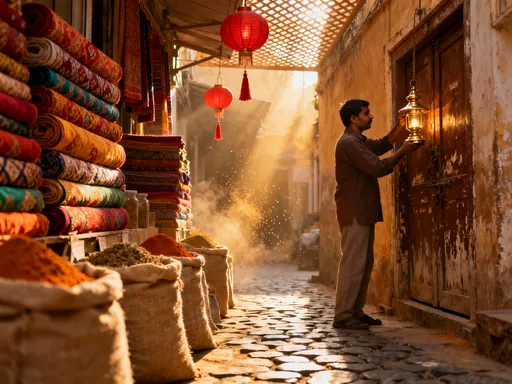
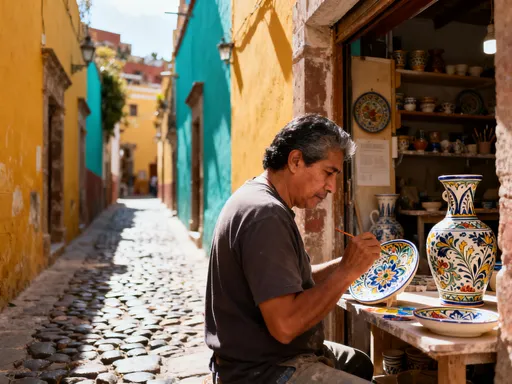
One of the most rewarding subjects is the artisan at work. In small ateliers tucked behind unassuming doors, tailors, shoemakers, and embroiderers practice their craft with meticulous care. A close-up of hands stitching leather, a beam of sunlight illuminating a bolt of silk, or the reflection of a sewing machine in a vintage mirror—these images tell stories of dedication and tradition. Antwerp’s fashion scene is not just about spectacle; it’s about process, and capturing that process adds depth and humanity to any photo collection.
Market Magic: Where Color, Chaos, and Culture Collide
Markets in Antwerp are not mere shopping destinations—they are sensory experiences, alive with color, scent, and sound. The Saturday farmer’s market at Graanmarkt is a feast for the lens. Stalls overflow with rustic sourdough loaves, heirloom tomatoes in every shade of red and yellow, bunches of wildflowers tied with twine, and wheels of artisanal cheese dusted with ash or wrapped in leaves. Vendors greet regular customers by name, their hands stained with soil or flour, their faces creased with laughter. These are not staged scenes but genuine moments of community, and they translate beautifully into photographs.
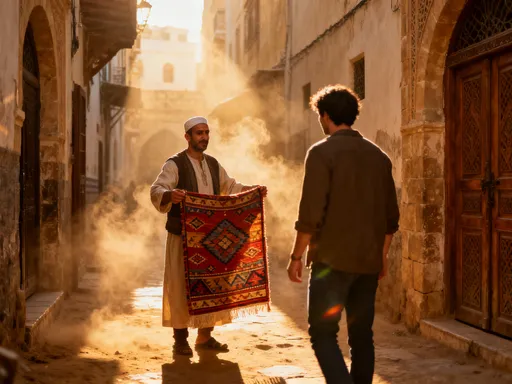
The Groenplaats flea market, held every Sunday, offers a different kind of visual richness. Here, the focus shifts to texture and history. Vintage lace, weathered books with leather bindings, copper pots blackened by age, and porcelain dolls with chipped faces—all tell stories of lives lived. Photographers are drawn to the tactile quality of these objects, the way light catches the edge of a tarnished spoon or the delicate weave of a 19th-century handkerchief. Unlike commercial souvenir markets, Groenplaats feels personal, intimate, and deeply rooted in local culture.
What makes these markets especially photogenic is their authenticity. There are no forced interactions or tourist performances. People come to buy, to browse, to connect. A grandmother haggling over a wooden spoon, a young couple sharing a waffle, or a dog napping under a stall—these are the moments that capture the rhythm of Antwerp life. Photographers are encouraged to move slowly, to observe before shooting, and to respect the privacy of those they photograph. A smile, a nod, or a quiet “thank you” goes a long way in building trust and capturing genuine expressions.
For those interested in food photography, the markets offer ideal conditions. Natural light filters through canvas canopies, creating soft, diffused illumination. The colors are inherently vibrant—deep greens of fresh herbs, golden crusts of bread, the ruby glow of ripe strawberries. Compositionally, the abundance can be overwhelming, so the key is to focus on details: a single egg in a woven basket, the steam rising from a pot of mussels, the concentric rings of a sliced onion. These close-ups, when paired with wider environmental shots, create a narrative that is both personal and universal.
Riverfront Rhythms: Dynamic Shots Along the Scheldt
The Scheldt River is the quiet pulse of Antwerp, a ribbon of water that has shaped the city’s history, economy, and aesthetic. Today, its banks serve as a natural stage for dynamic photography. Unlike static landmarks, the river offers movement—boats chugging upstream, cyclists weaving along the promenade, joggers silhouetted against the sunset. This sense of flow makes the riverside one of the most compelling locations for capturing Antwerp in motion.
One of the most popular spots for long-exposure photography is the Waalseiland pier. At night, with a tripod and a slow shutter speed, photographers can transform passing headlights and taillights into glowing trails that streak across the dark water. The reflections of city lights shimmer and blur, creating abstract compositions that feel both modern and dreamlike. The contrast between the stillness of the camera and the motion of the city produces images that are visually striking and emotionally resonant.
During the day, the river offers a different kind of energy. Small cargo boats, painted in faded blues and reds, navigate the waterway, passing under arched bridges and alongside historic grain silos. These vessels are working ships, not tourist attractions, and their presence adds a layer of authenticity to any shot. A low-angle photograph of a boat’s bow cutting through the water, with the skyline in the background, tells a story of continuity—of a city that still functions as a port while embracing its cultural identity.
The riverbanks themselves are well-maintained yet unpolished, with patches of grass, wooden benches, and occasional graffiti adding character. Couples stroll hand in hand, children chase ducks, and fishermen cast their lines with quiet patience. These everyday moments, when framed with care, become powerful visual statements about life in Antwerp. The river doesn’t demand attention—it invites contemplation, making it one of the most rewarding subjects for photographers seeking depth and meaning.
Beyond the Postcard: Finding Your Own Angle in the Unexpected
Every visitor to Antwerp photographs the Central Station, and for good reason—its ornate façade is a masterpiece of Gothic revival architecture. But the most memorable images often come from stepping away from the obvious. The silent courtyard behind the Stadsbibliotheek (City Library), where sunlight filters through a glass ceiling and dust motes dance in the air, offers a moment of stillness. A hidden tram track, overgrown with ivy and rarely used, becomes a symbol of forgotten pathways. A lone bench beneath a blooming chestnut tree in Josaphat Park, empty except for a scarf left behind, tells a quiet story of absence and presence.
These quieter moments challenge photographers to look deeper, to slow down, and to engage with the city on a more personal level. One way to do this is through thematic photography—choosing a single concept and exploring it throughout the day. A project on shadows might lead you to narrow alleys at midday, where sharp contrasts create geometric patterns on the ground. A focus on textures could take you to a leather workshop, a brick wall covered in moss, or a market stall selling handmade paper. A series on laughter might involve photographing children at play, friends sharing a joke, or a street musician making an old man smile.
Antwerp rewards curiosity. It invites you to wander without a map, to turn down an unmarked street, to pause at a window display that catches your eye. The city’s magic lies not in its postcard views but in its ability to surprise. A mural you didn’t notice yesterday, a café that wasn’t there last week, a patch of light on a wall at exactly 4:17 p.m.—these are the moments that become personal treasures. And when captured through a lens, they become more than photographs; they become fragments of a journey, pieces of a story that is uniquely yours.
Your Lens, Your Story
Antwerp doesn’t just offer photo opportunities—it invites connection. Every click of the shutter captures more than a scene; it holds a feeling, a rhythm, a fragment of life in motion. Whether you’re chasing golden light on the Scheldt or the quiet concentration of a tailor at work, the best photographs emerge not from perfect settings but from mindful presence. The city reveals itself gradually, to those who look closely and move slowly.
What makes Antwerp truly special is its balance—between old and new, stillness and motion, grandeur and intimacy. It’s a city that respects its heritage while embracing change, and that duality is what makes it endlessly photographable. You don’t need the latest camera or a portfolio of published work to capture its essence. What you need is curiosity, patience, and an openness to the unexpected.
So pack your lens, but pack your wonder more. Let the city guide you. Follow the light, listen to the rhythms, and allow yourself to be surprised. Because in Antwerp, the real magic isn’t in the perfect shot—it’s in the moment just before you take it, when you realize you’re not just observing the city, but becoming part of its story. And that, more than any image, is what you’ll carry home.