Windsor’s Wild Side: Where Nature Meets Royal Charm
You know that feeling when you think you know a place—like Windsor, all palaces and pomp—but then bam, you stumble upon wild meadows, ancient woodlands, and riverside paths that take your breath away? Yeah, I didn’t expect it either. But beyond the crown jewels and castle tours, Windsor hides some of the most stunning natural escapes, perfect for slowing down and soaking in pure English countryside magic. It’s a town where royal history and untamed nature coexist in quiet harmony, offering visitors a rare chance to walk in the footsteps of monarchs by day and wander through whispering forests by dusk. This is not just a destination of grandeur, but one of grounding, where the rustle of leaves and the glide of swans on slow-moving water remind us that beauty often lies just beyond the well-trodden path.
First Impressions: Beyond the Castle Walls
Most travelers arrive in Windsor with one image in mind: the imposing silhouette of Windsor Castle perched high on a hill, its turrets piercing the sky like sentinels of tradition. It’s a sight that commands respect and draws millions each year. Yet, just a short walk from the castle gates, a different world unfolds—one of meandering footpaths, rustling reeds, and the gentle lap of river currents. This quieter side of Windsor is not hidden in secrecy, but it is often overlooked in favor of royal tours and souvenir shops. The truth is, the town’s charm isn’t confined to its stone ramparts; it spills into the surrounding greenery, where nature has been quietly thriving alongside centuries of history.
The contrast is striking. One moment you’re surrounded by the echoes of state ceremonies and centuries of monarchy; the next, you’re stepping onto a gravel path lined with foxgloves and buttercups, with only the call of a distant cuckoo breaking the silence. This duality is what makes Windsor so uniquely compelling. It’s not merely a monument to the past, but a living, breathing landscape where heritage and habitat share the same space. For the mindful traveler, this offers a richer, more layered experience—one that balances cultural reverence with natural serenity.
What’s often missed is how accessible this natural beauty truly is. You don’t need to drive for miles or hike into remote countryside to find peace. The green lungs of Windsor are within easy reach, often just a five- or ten-minute walk from the town center. Whether it’s the tree-lined banks of the Thames or the sweeping vistas of Windsor Great Park, these spaces invite you to slow down, breathe deeply, and reconnect with the rhythms of the earth. And for those who come seeking more than photo ops and guided tours, they offer a chance to experience Windsor not as a postcard, but as a place of quiet wonder.
The Thames Path: A Riverside Journey Through Serenity
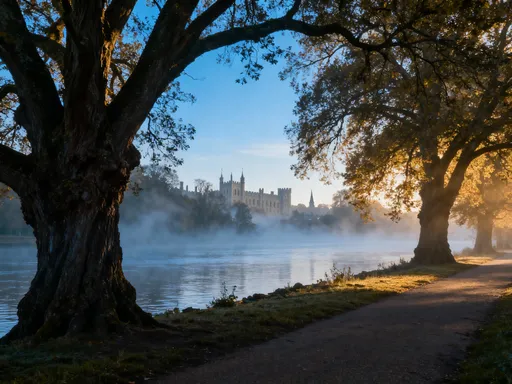
One of the most rewarding ways to experience Windsor’s natural grace is by following the Thames Path, a scenic walking route that traces the river’s gentle curves from the heart of town into the surrounding countryside. This well-maintained trail offers a peaceful retreat for walkers of all ages, whether you’re out for a morning stretch or an evening stroll as the light softens on the water. The path begins near Windsor Bridge, where the river widens and slows, reflecting the town’s skyline like a living mirror. From there, it winds its way past weirs, boathouses, and riverside gardens, each turn revealing a new vignette of English riverside life.
Birdlife thrives along this stretch of the Thames. Herons stalk the shallows with patient precision, kingfishers flash by in electric blue streaks, and swans glide with regal indifference, just as they have for generations. In spring and summer, reed warblers sing from the tall grasses, while dragonflies dart above the water’s surface. The soundscape is one of calm—lapping water, rustling leaves, the occasional call of a moorhen—creating a natural soundtrack that soothes the mind and lifts the spirit. For those seeking a digital detox or a moment of mindfulness, this path provides the perfect setting.
Practical considerations make the Thames Path especially welcoming. The surface is mostly level and well-paved, suitable for sturdy footwear or even comfortable walking shoes. Families with strollers and older visitors will find it accessible, with benches placed at regular intervals for rest. To avoid the busiest times, aim for early morning or late afternoon, when the crowds thin and the light is at its most golden. Early risers might catch the mist rising off the river, a fleeting spectacle that transforms the landscape into something almost dreamlike.
For those looking to extend the journey, the path connects seamlessly to longer routes leading toward Eton, Datchet, and beyond. A popular loop includes crossing into Eton via the footbridge and returning along the opposite bank, offering a different perspective of Windsor’s riverside architecture. Along the way, you’ll pass quiet inns with outdoor seating, where a cup of tea or a light meal can be enjoyed with a view of the water. The Thames Path isn’t just a trail—it’s a slow travel experience, inviting you to move at nature’s pace and rediscover the joy of simply being present.
Windsor Great Park: A Royal Sanctuary for Nature Lovers
Spanning over 5,000 acres, Windsor Great Park is one of the largest and most significant green spaces in southern England, and a testament to centuries of careful stewardship. Originally established as a private hunting ground for the royal family, it has evolved into a public haven where nature and recreation coexist. The park’s vastness can be overwhelming at first, but its well-marked trails and clear signage make it easy to navigate. From the grandeur of The Long Walk to the tranquil shores of Virginia Water Lake, every corner of the park offers something distinct, yet all are united by a sense of timeless calm.
The Long Walk, a sweeping tree-lined avenue stretching nearly three miles from Windsor Castle to the Copper Horse statue, is perhaps the park’s most iconic feature. Flanked by towering chestnut and oak trees, this path feels like a living corridor between history and nature. In autumn, the canopy turns to gold and crimson, creating a tunnel of color that draws photographers and walkers alike. The avenue is popular with joggers and dog walkers, yet even at peak times, the scale of the park ensures you can find pockets of solitude just off the main route.
Virginia Water Lake, located in the southern part of the park, is another highlight. Covering 240 acres, the lake is a hub of biodiversity and recreation. Kingfishers, grebes, and great crested grebes make their home here, while fallow deer often graze near the water’s edge. The Rotunda, a classical temple-style structure on the shore, adds a touch of elegance to the landscape. A well-maintained footpath circles the lake, taking about 90 minutes to complete at a leisurely pace. Along the way, you’ll pass the famous artificial waterfall and the ruins of a Roman temple, both remnants of 18th-century landscape design.
What makes Windsor Great Park truly special is its balance of wildness and care. While it is meticulously maintained, it never feels over-manicured. Ancient trees, some over 300 years old, stand as silent witnesses to history, their gnarled trunks telling stories of storms, seasons, and centuries. The park supports a wide range of habitats, from wetlands to heathland, each home to unique plant and animal species. Seasonal changes bring their own rewards—bluebells in spring, heather in bloom during late summer, and frost-laced mornings in winter that turn the park into a silent, silver world.
Recreational opportunities abound, but they are thoughtfully integrated. Cycling is permitted on designated paths, and bike rentals are available near the main entrances. Picnic areas with tables and waste bins encourage responsible outdoor dining, while children’s play zones are tucked into wooded corners, blending naturally with the surroundings. The park is also accessible by public transport, with bus routes serving key entry points, and parking available for those arriving by car. Facilities such as restrooms and cafés are modest but sufficient, preserving the park’s unpretentious charm.
Hidden Woodlands: Exploring Savill Garden and Valley Gardens
Nestled within the eastern section of Windsor Great Park, the Savill Garden and Valley Gardens offer a more curated yet deeply natural experience. These spaces are not wild in the untamed sense, but they are designed to feel harmonious with the surrounding landscape, blending cultivated beauty with ecological sensitivity. Created in the 20th century by Sir Eric Savill, the gardens span over 35 acres and showcase an extraordinary variety of plant life, arranged in thematic zones that change dramatically with the seasons.
In spring, the gardens burst into life with daffodils, tulips, and flowering cherries. The rhododendron valley becomes a riot of color, with blooms in deep purples, pinks, and whites creating a sensory feast. Summer brings lush greenery and the delicate scent of roses from the Queen Mary’s Garden, while autumn transforms the landscape with fiery maples and golden ginkgos. Even in winter, the gardens retain their appeal, with evergreens, ornamental bark, and carefully placed winter-flowering plants ensuring there is always something to admire.
The design philosophy behind the Savill Garden emphasizes balance—between structure and spontaneity, between human intervention and natural growth. Winding paths follow the contours of the land, and water features are integrated to attract wildlife. A small stream runs through the Valley Gardens, its banks softened with ferns and mosses, creating a cool, shaded retreat on warm days. Birdsong is constant, and on quiet mornings, you might spot a woodpecker or a nuthatch flitting between the branches.
For photography enthusiasts, the gardens offer endless opportunities. The ornamental bridge over the stream, the golden larches in autumn, and the reflections in the garden ponds are all iconic shots. Yet the true magic lies in the smaller details—the dew on a spider’s web, the texture of bark, the way light filters through layered foliage. To avoid crowds, visit on weekday mornings or during the shoulder seasons of late autumn and early spring. The gardens are open year-round, and admission fees help support conservation and horticultural programs, ensuring their preservation for future generations.
The Secret Meadows: Off-the-Beaten-Path Green Spaces Near Eton
Just across the River Thames, in the historic town of Eton, lie some of Windsor’s best-kept natural secrets—quiet meadows, riverside clearings, and grasslands that feel a world away from the tourist bustle. These spaces are not marked on every map, nor do they come with information kiosks or gift shops. Instead, they offer authenticity in its purest form: unstructured, unspoiled, and alive with the rhythms of nature. Places like Eton College Meadows and the banks of the Thames Path on the Eton side provide a glimpse into a more rural England, where horses graze, wildflowers bloom, and time seems to slow.
The meadows here are managed through traditional grazing practices, often by small herds of cattle or ponies, which help maintain biodiversity by preventing any single plant species from dominating. This low-intervention approach allows native grasses, cowslips, and orchids to flourish, creating a habitat for pollinators and small mammals. In late spring and early summer, the fields shimmer with color—yellow buttercups, white oxeye daisies, and the occasional splash of red poppies. The air hums with bees and butterflies, and the scent of warm grass lingers in the breeze.
Local conservation groups play a vital role in protecting these spaces, working with landowners and volunteers to monitor species, control invasive plants, and educate the public. Their efforts ensure that these meadows remain not just scenic, but ecologically valuable. For visitors, this means a chance to walk through landscapes that are both beautiful and purposeful, where every flower and insect has a role to play.
What sets these areas apart is their sense of solitude. While Windsor Castle may be packed with tour groups, these meadows often see only a handful of walkers, dog owners, or local residents out for a quiet stroll. There are no entry fees, no timed tickets—just open access and a simple request to respect the land. Paths are often unpaved, so sturdy footwear is recommended, especially after rain. But for those willing to venture a little further, the reward is a profound sense of peace, the kind that comes from being surrounded by nature that hasn’t been polished for tourism.
Why Nature in Windsor Matters: The Balance of Heritage and Ecology
Windsor’s natural spaces are not just scenic backdrops to royal history—they are essential components of the town’s identity and well-being. In an age of increasing urbanization and digital saturation, these green zones offer a vital refuge for both residents and visitors. They support mental health, encourage physical activity, and foster a deeper connection to the natural world. But beyond personal benefits, they also play a critical role in environmental sustainability.
Urban-adjacent nature reserves like Windsor Great Park and the Thames floodplain serve as carbon sinks, help manage stormwater runoff, and provide habitats for wildlife in an otherwise developed region. They act as ecological corridors, allowing species to move between fragmented habitats and maintain genetic diversity. The preservation of ancient woodlands and wildflower meadows contributes to pollinator health, which in turn supports broader agricultural systems. These functions may go unnoticed by the casual visitor, but they are foundational to a resilient environment.
From a tourism perspective, integrating nature into the visitor experience promotes more sustainable and mindful travel. Instead of rushing from one attraction to the next, travelers who engage with Windsor’s green spaces tend to move more slowly, stay longer, and form deeper connections with the place. This shift benefits local economies through extended stays and increased support for eco-friendly businesses, from cafés to guided nature walks. It also reduces pressure on the most popular sites, allowing for better conservation and a more enjoyable experience for everyone.
Ultimately, the coexistence of heritage and ecology in Windsor offers a model for other historic towns. It proves that tradition and conservation are not mutually exclusive, but can enrich one another. The crown may draw people in, but it’s the quiet rustle of leaves, the glide of a heron over the water, and the scent of wild thyme on a summer breeze that make them want to stay.
Planning Your Escape: Practical Tips for a Nature-Focused Visit
Designing a nature-centered visit to Windsor is both simple and rewarding. The key is to plan with intention, allowing enough time to move slowly and fully absorb your surroundings. Start by choosing the right season—spring and early autumn offer mild weather and vibrant landscapes, while summer brings long daylight hours ideal for evening walks. Winter, though quieter, has its own stark beauty, especially after frost or light snow.
Public transport makes access easy. Direct trains from London Waterloo arrive at Windsor & Eton Central and Windsor & Eton Riverside stations, both within walking distance of the castle and the Thames Path. From there, most natural sites are reachable on foot or by a short bus ride. If driving, consider parking at designated lots near the town center or the main entrances to Windsor Great Park, as roadside parking is limited.
When packing, prioritize comfort and preparedness. Wear layered clothing to adapt to changing temperatures, and bring a waterproof jacket even on sunny days—the English weather is famously unpredictable. Sturdy walking shoes are essential, especially for unpaved trails in the meadows or woodlands. A small backpack with water, snacks, a map or offline trail app, and a compact binoculars can enhance your experience, particularly for birdwatching.
To combine culture and nature, consider a morning visit to Windsor Castle followed by an afternoon in the Great Park or along the Thames. This allows you to honor the town’s royal legacy while also discovering its quieter side. For refreshments, seek out local cafés with outdoor seating, such as those near Eton Bridge or inside the Savill Garden, where you can enjoy tea and cake surrounded by trees. Some local tour operators offer eco-friendly guided walks that focus on nature and conservation, providing deeper insight into the landscape.
Most importantly, approach your visit with a spirit of respect. Stick to marked paths, leave no trace, and observe wildlife from a distance. These spaces are shared, and their preservation depends on mindful behavior. By moving slowly, listening closely, and looking deeply, you’ll not only enjoy a more meaningful experience—you’ll contribute to the ongoing care of Windsor’s wild heart.
Conclusion
Windsor is often reduced to a single narrative—one of monarchy, ceremony, and historic grandeur. But to see it only this way is to miss half its soul. Beyond the battlements and ballrooms lies a landscape of quiet beauty: rivers that wind like silver threads, forests that breathe with ancient wisdom, and meadows that bloom with seasonal grace. This is a place where heritage and nature are not in competition, but in conversation—a dialogue that has unfolded for centuries and continues to evolve.
The true magic of Windsor isn’t just in its crown jewels or its castle walls. It’s in the way sunlight filters through oak leaves, the sound of a kingfisher’s call over still water, and the feeling of solitude in a wildflower meadow just minutes from the town center. It’s in the balance—between past and present, between human achievement and natural wonder. For the traveler willing to look beyond the obvious, Windsor offers not just a sightseeing itinerary, but a chance to reconnect with something deeper: the enduring peace that comes from being in nature, even in the shadow of royalty.
So next time you plan a visit, leave room in your schedule—and in your heart—for the unexpected. Step off the main path, follow the river’s bend, and let the wild side of Windsor surprise you. Because sometimes, the most royal experience of all is simply standing still, beneath an open sky, listening to the land tell its own story.